Skip to Content

PROCEDURAL SOLUTIONS

Take Aim at BPH With a Comprehensive Approach

Benign prostatic hyperplasia—also called BPH—is a condition in men in which the prostate gland is enlarged and not cancerous. It can lead to lower urinary tract symptoms (LUTS). BPH affects about 50% of men between the ages of 51 and 60 and up to 90% of men older than 80.1

Prostatic Artery Embolization (PAE) is a minimally invasive option to treat BPH and can be performed via radial or femoral access.
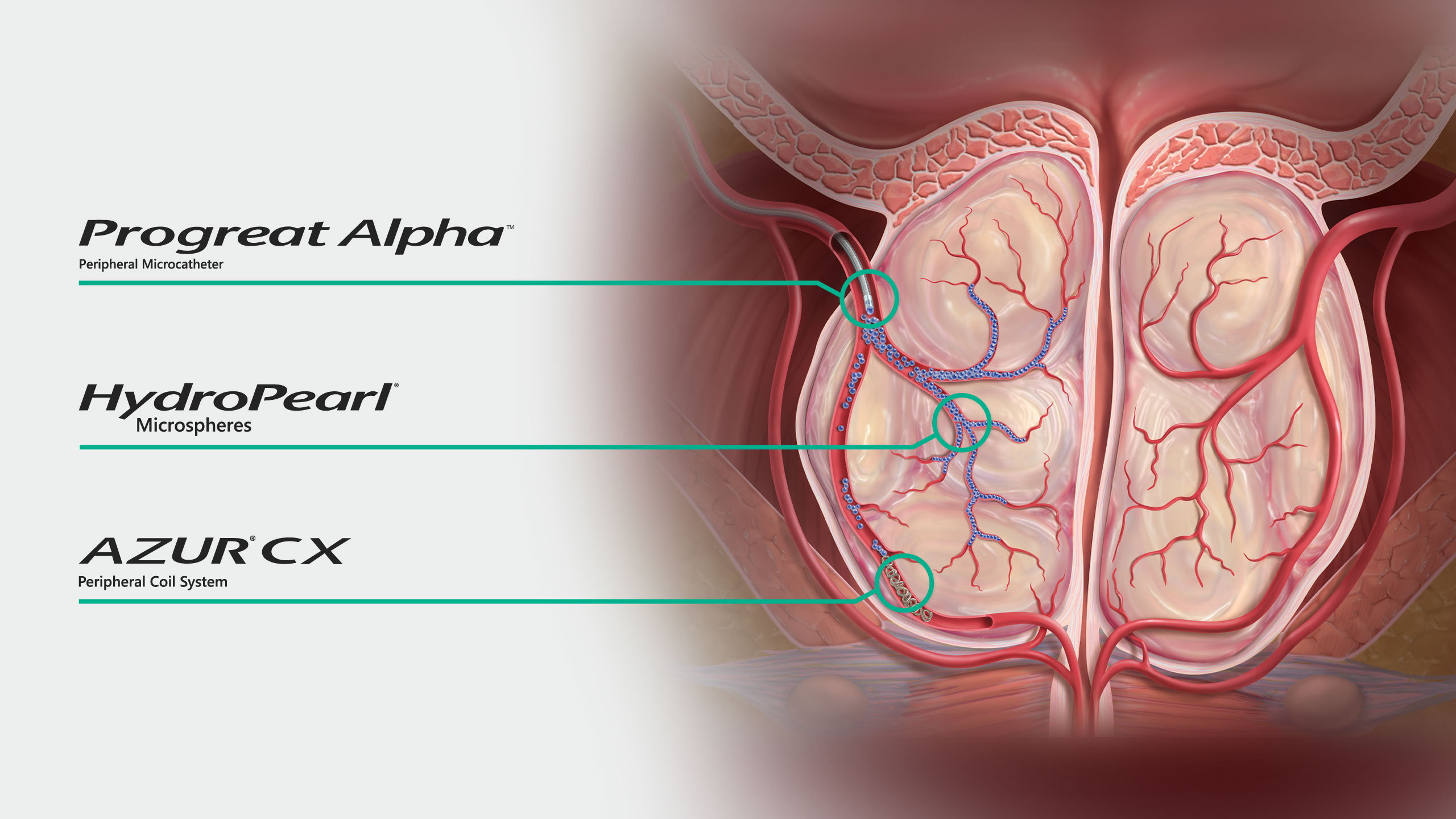
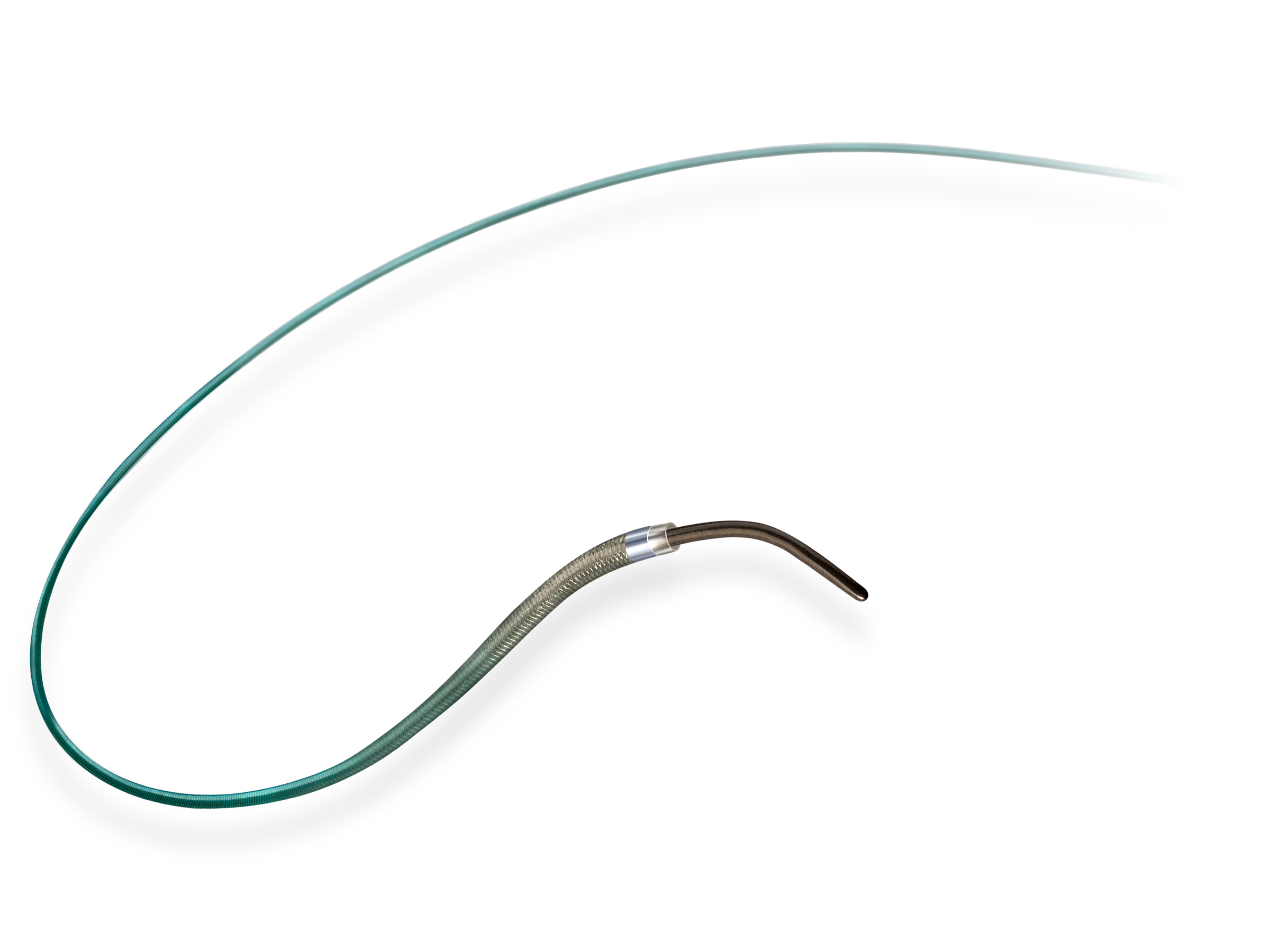
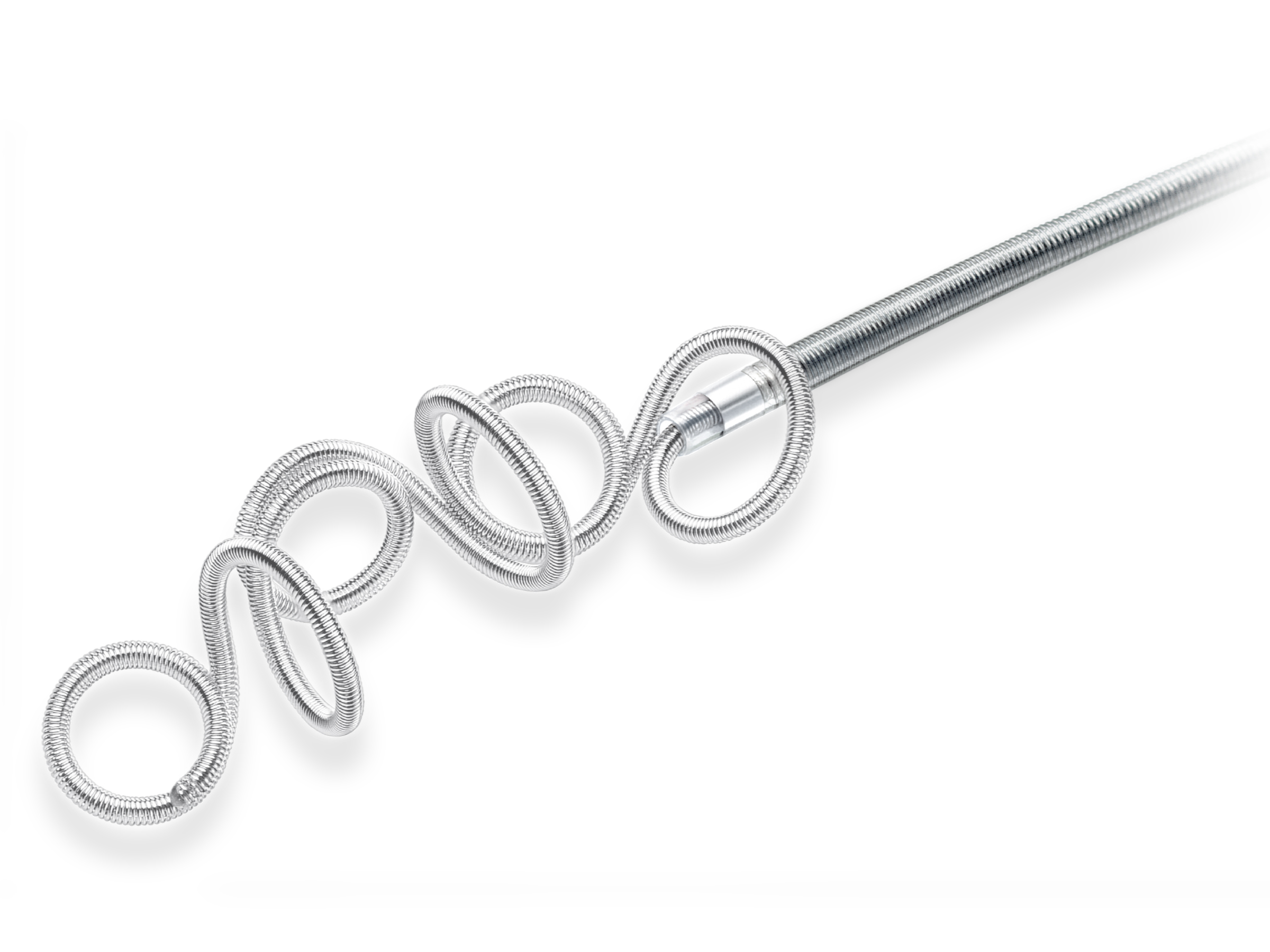
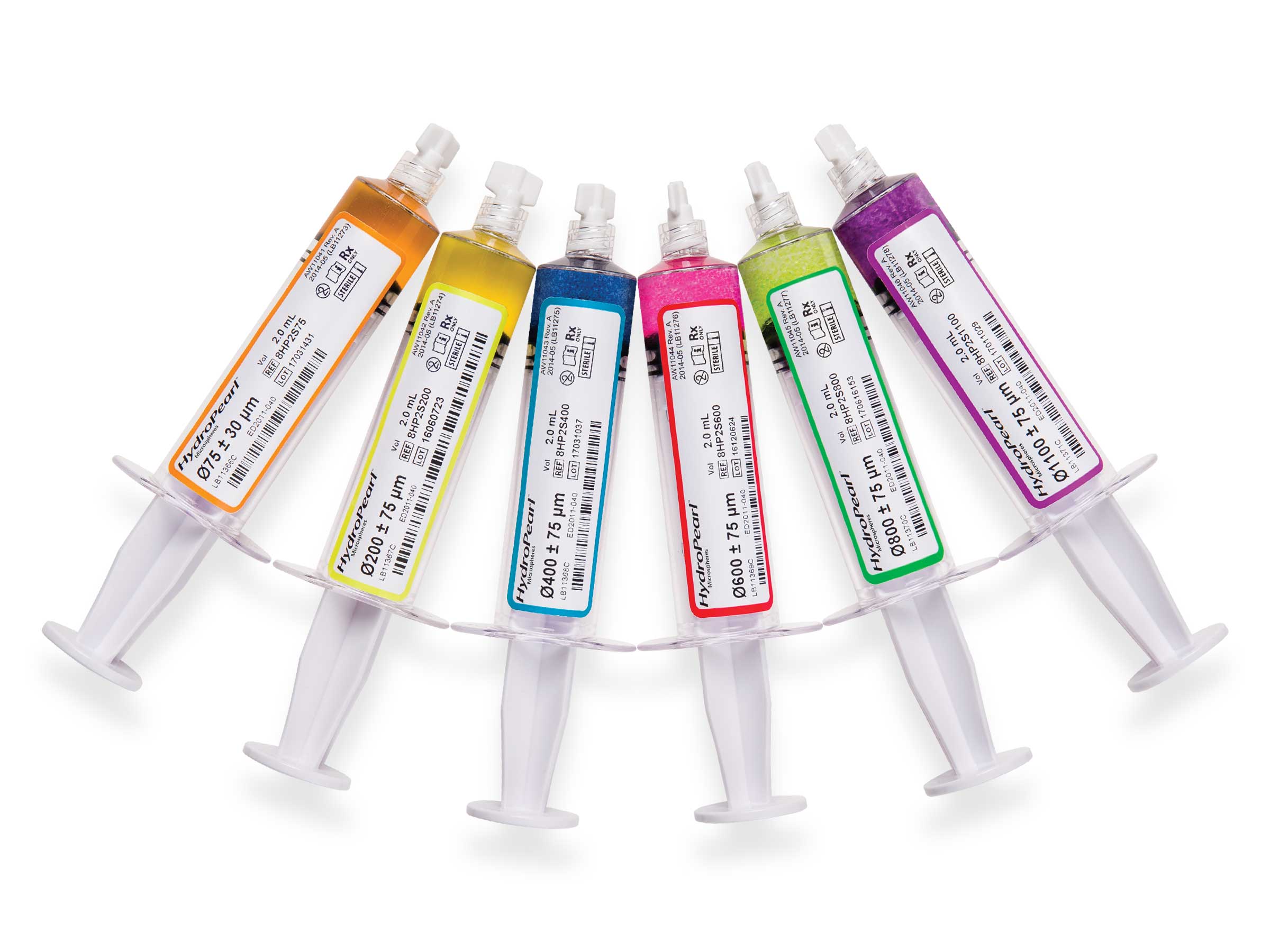
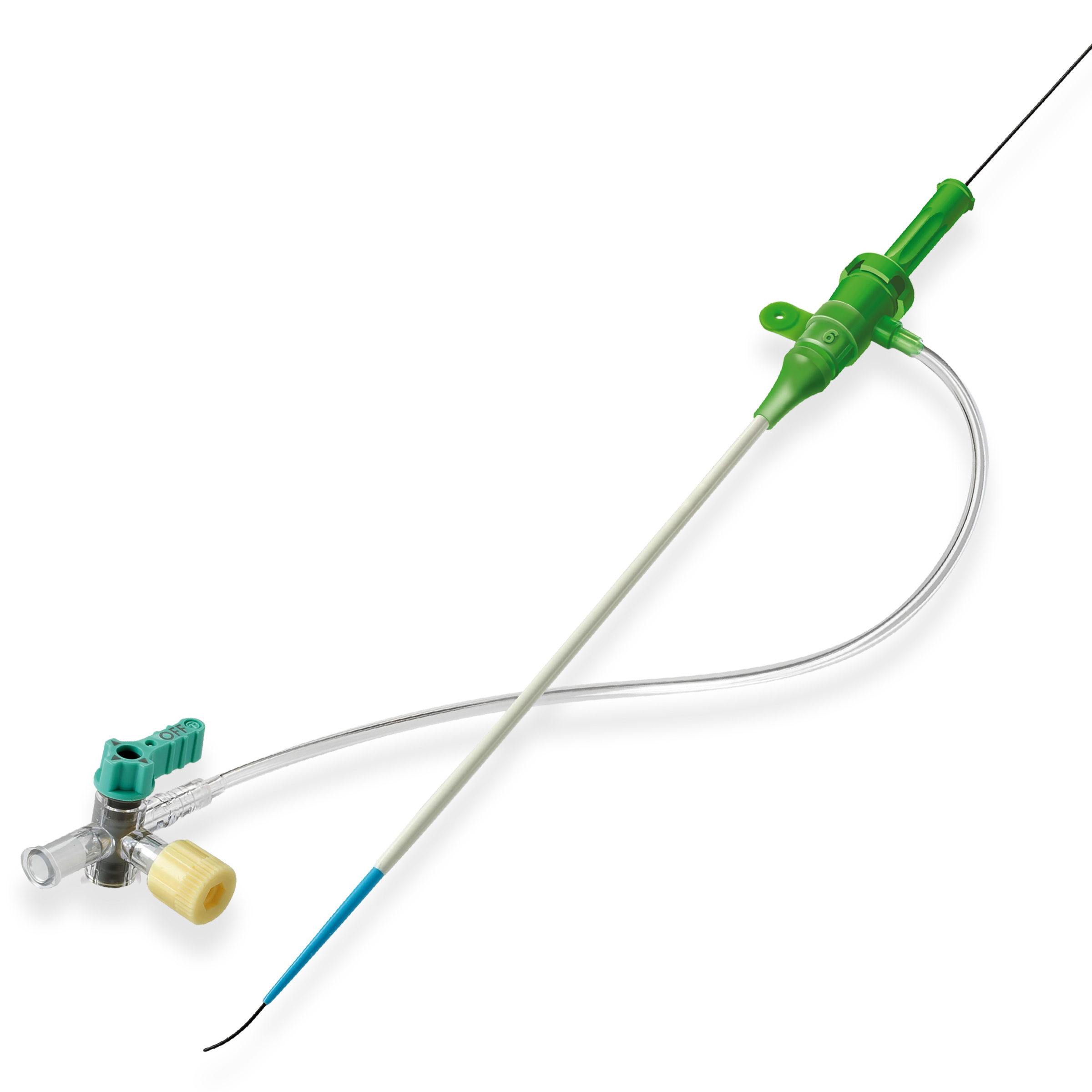
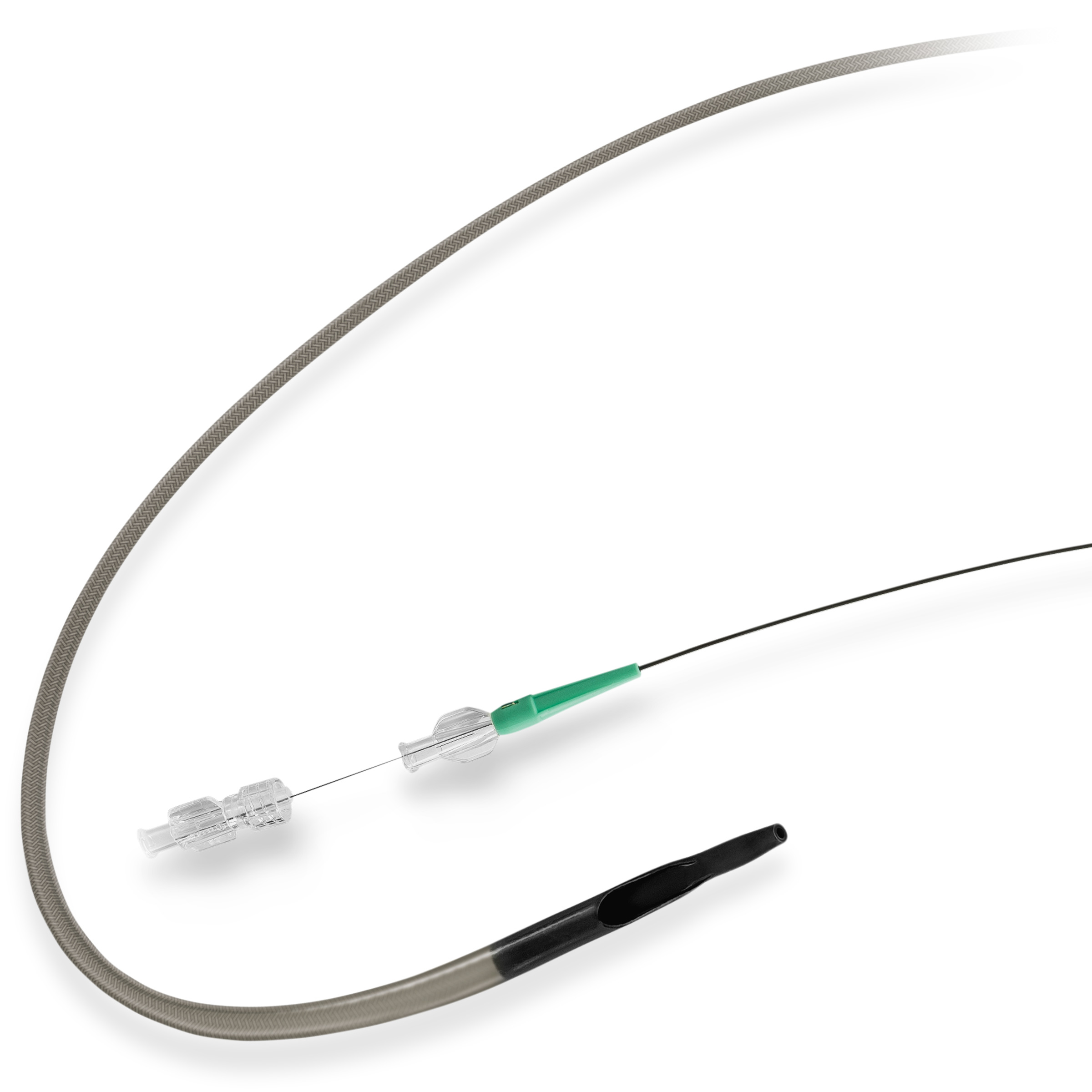
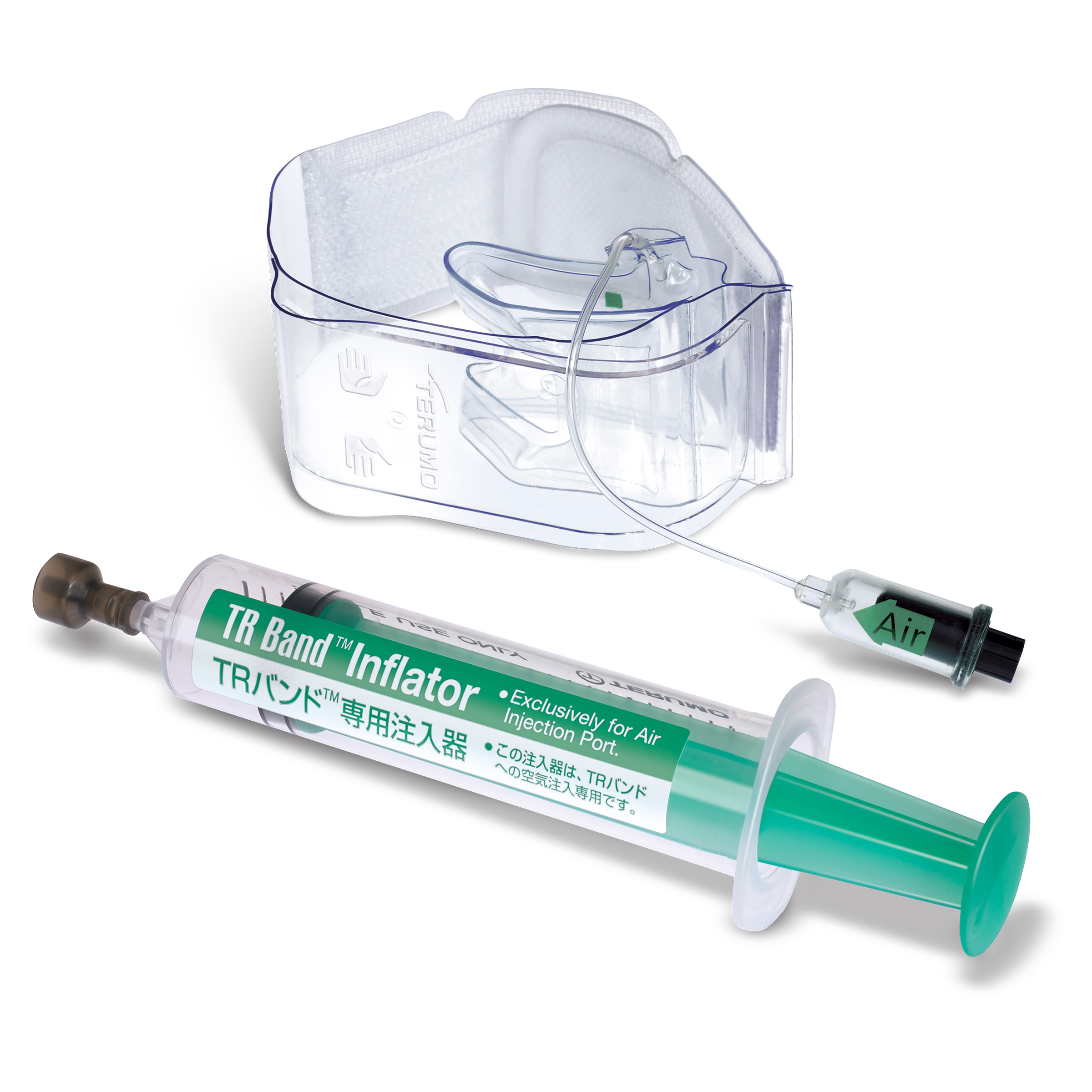
Terumo Interventional Systems Is Equipped to Support Your PAE Procedures From Access to Embolization to Closure

Explore Comprehensive Access and Closure Options to Guide Your Approach to Prostatic Artery Embolization

Terumo Interventional Systems is the pioneer in radial access with solutions that deliver economic value for providers and enhanced outcomes for their patients. 

Tools for PAE Access and Closure

Embolization Treatment for BPH

Video Workshop

Going Further with PAE - Learn from the Experts: Complex Case Reviews and Discussion

Featured: Ari Isaacson, MD Aaron Fischman, MD Justin McWilliams, MD

Join Dr. Ari Isaacson, Dr. Aaron Fischman, and Dr. Justin McWilliams as they discuss complex and challenging endovascular interventions for PAE. Understand how to overcome complex anatomy, access challenges, and gain insight into tips and tricks used by the experts.

Video Workshop

Access and Equipment Options for PAE - Clinical Case Reviews

Featured: Scott Schwartz,MD

Watch as Scott Schwartz, MD of Wayne State University School of Medicine and Henry Ford Health System, Detroit, MI presents on radial access and equipment for prostate artery embolization. He shares his case experience, equipment preferences and disease information on PAE. This presentation was originally presented at STREAMSK in Washington, D.C. on January 27, 2019.

Video Workshop

Discover Radial Access for Prostatic Artery Embolization (PAE)

Featured: Keith Pereira, MD Aaron Fischman, MD, FSIR

Join Dr. Keith Pereira and Dr. Aaron Fischman as they discuss pushing the boundaries of endovascular interventions for prostate artery embolization, address diagnosis and treatment algorithms for the patient with BPH, and gain insights on device selection, microcatheter and wire manipulation, methods of access and intervention, and review the patient outcomes data in this fast-growing endovascular procedure.

Clinical Resources for Prostatic Artery Embolization

Study

Randomized Comparison of Prostatic Artery Embolization versus Transurethral Resection of the Prostate for Treatment of Benign Prostatic Hyperplasia

Featured: Iñigo Insausti MD, et al

Comparison of clinical and functional outcomes of prostatic artery embolization (PAE) with those of transurethral resection of the prostate (TURP) for the treatment of lower urinary tract symptoms (LUTS) secondary to benign prostatic hyperplasia (BPH).

Study

Randomised Clinical Trial of Prostatic Artery Embolisation Versus a Sham Procedure for Benign Prostatic Hyperplasia

Featured: João Martins Pisco, et al

An assessment of the safety and efficacy of PAE compared with a sham procedure in the treatment of LUTS/BPH.

Study

Meta-Analysis of Prostatic Artery Embolization for Benign Prostatic Hyperplasia

Featured: Andre Uflacker MD, et al

Meta-analysis of available data on prostatic artery embolization (PAE)

Study

Prostatic Arterial Supply: Anatomic and Imaging Findings Relevant for Selective Arterial Embolization

Featured: Tiago Bilhim MD, PhD, et al

Anatomy and imaging findings of the prostatic arteries (PAs) on multirow-detector pelvic computed tomographic (CT) angiography and digital subtraction angiography (DSA) before embolization for symptomatic benign prostatic hyperplasia (BPH).

Study

 Adjunctive Coil Embolization of the Prostatic Arteries After Particle Embolization for Prostatic Artery Embolization

Featured: Naveen Galla, et al

The feasibility, safety and short-term results of prostatic artery embolization (PAE) performed with adjunctive coil embolization of the main prostatic arteries (PA) following particle embolization.

Documents

References

  1. Urology Health. https://www.urologyhealth.org/urologic-conditions/benign-prostatic-hyperplasia-(bph). Accessed 29 July 2020.
  2. Progreat IFU PG34E002-04. Revised 2020-10
  3. Data on File. Terumo Medical Corporation.
  4. PROGREAT Catheter [Instructions for Use]. Somerset, NJ: Terumo Medical Corporation; 2014
  5. HydroPearl IFU PD111835 Rev. C Revised 2021-11.
  6. Karolin J. Paprottka et al In-vitro-study of physical properties of various embolization particles regarding morphology before, during and after catheter passage. Clinical Hemorheology and Microcirculation. 1386-0291/16.
  7. Bavinzski G, et al. Gross and microscopic histopathological findings in aneurysms of the human brain treated with Guglielmi detachable coils. J Neurosurg. 1999;91:284-293. (in-vivo study).
  8. Plenk H, Killer M, Richling B. Pathophysiologic considerations on HydroCoil and platinum coil-occluded retrieved human cerebral aneurysms. Presented at ASITN MicroVention Symposium. 2005. (in-vivo study).
  9. Ding YH, Dai D, Lewis DA, Cloft HJ, Kallmes DF. Angiographic and histologic analysis of experimental aneurysms embolized with platinum coils, Matrix, and HydroCoil. Am J Neuroradiol. 2005;26(7):1757-63. (animal study).
  10. Fohlen A, Namur J, Ghegediban H, Laurent A, Wassef M, Pelage JP. Peripheral embolization using hydrogel-coated coils versus fibered coils: short-term results in an animal model. Cardiovasc Intervent Radiol. 2017 Nov 1. doi:10.1007/ s00270-017-1834-7. [Epub ahead of print].