ACCESS
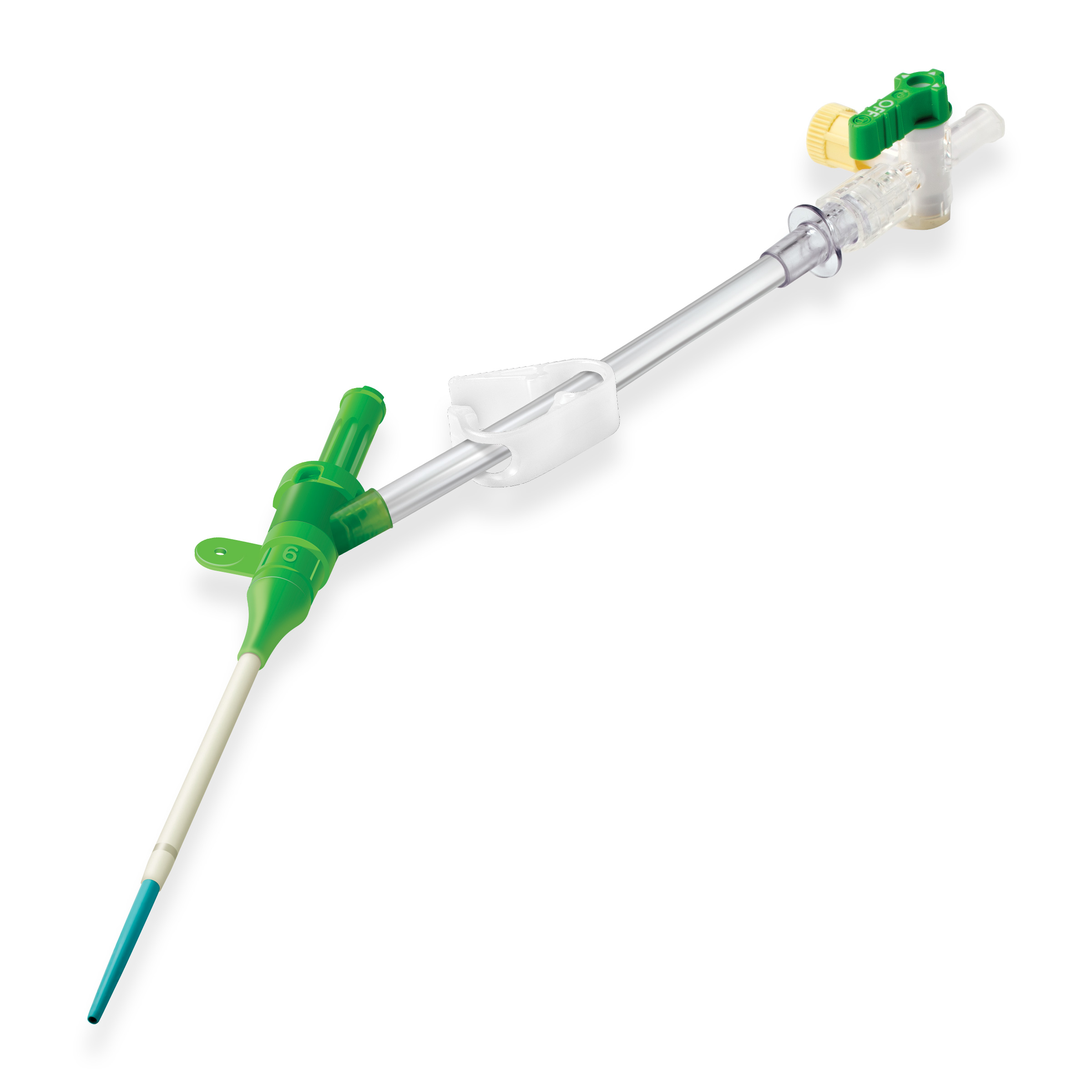
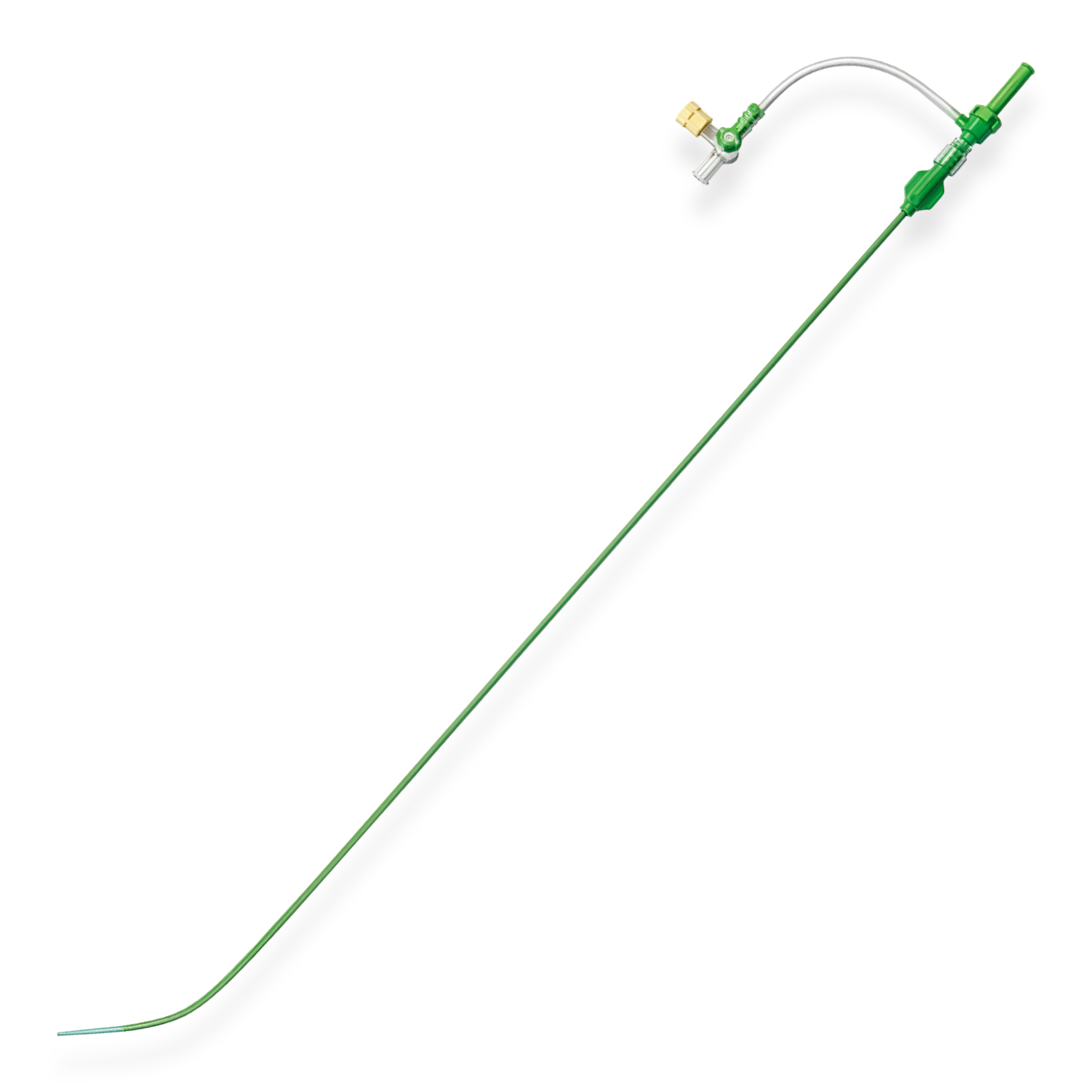
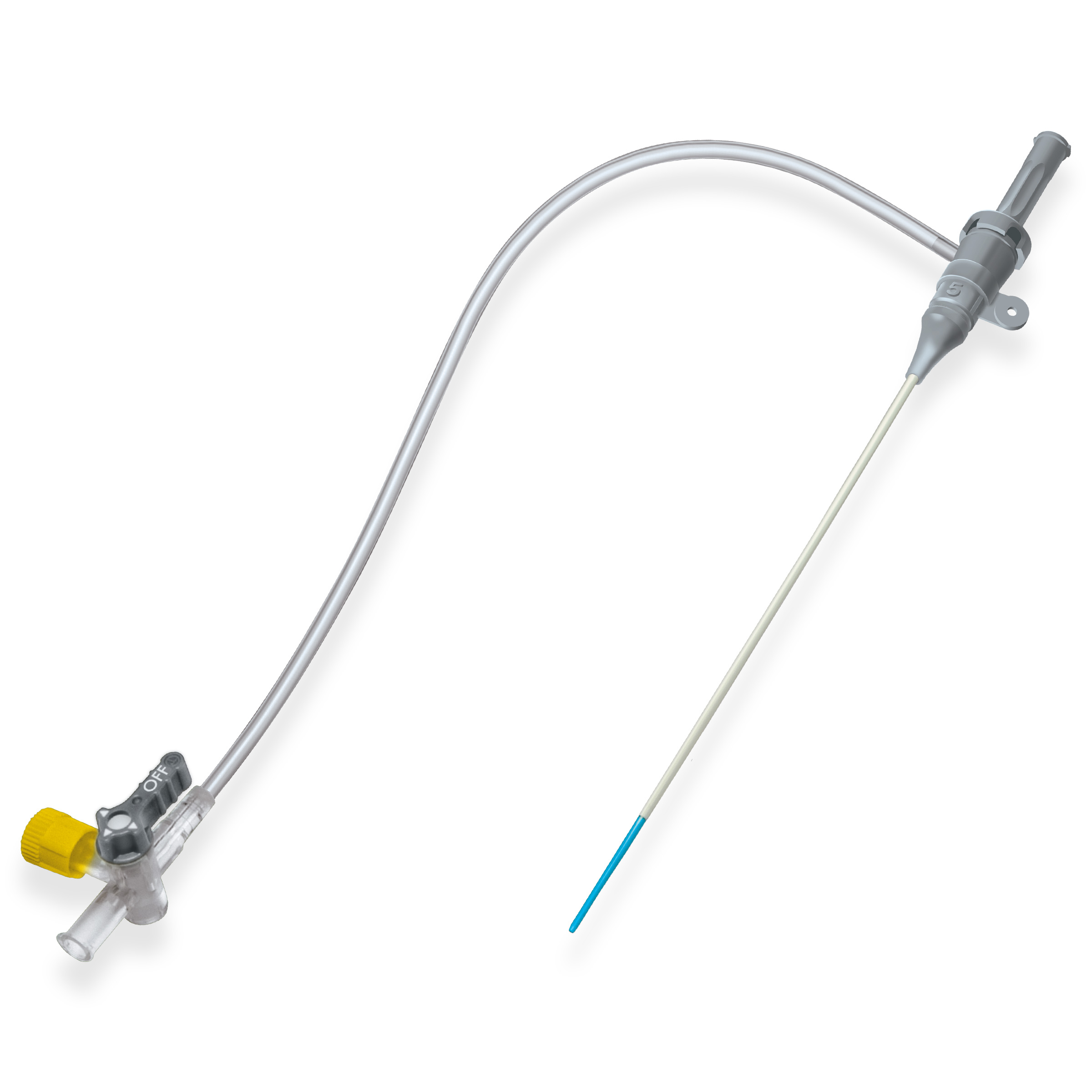
PINNACLE PRECISION ACCESS SYSTEM® Sheath
Help achieve smooth atraumatic vascular access through calcified or scarred arteries1
The unique design supports the lowest sheath penetration to minimize the size of the femoral access site.2
ACCESS
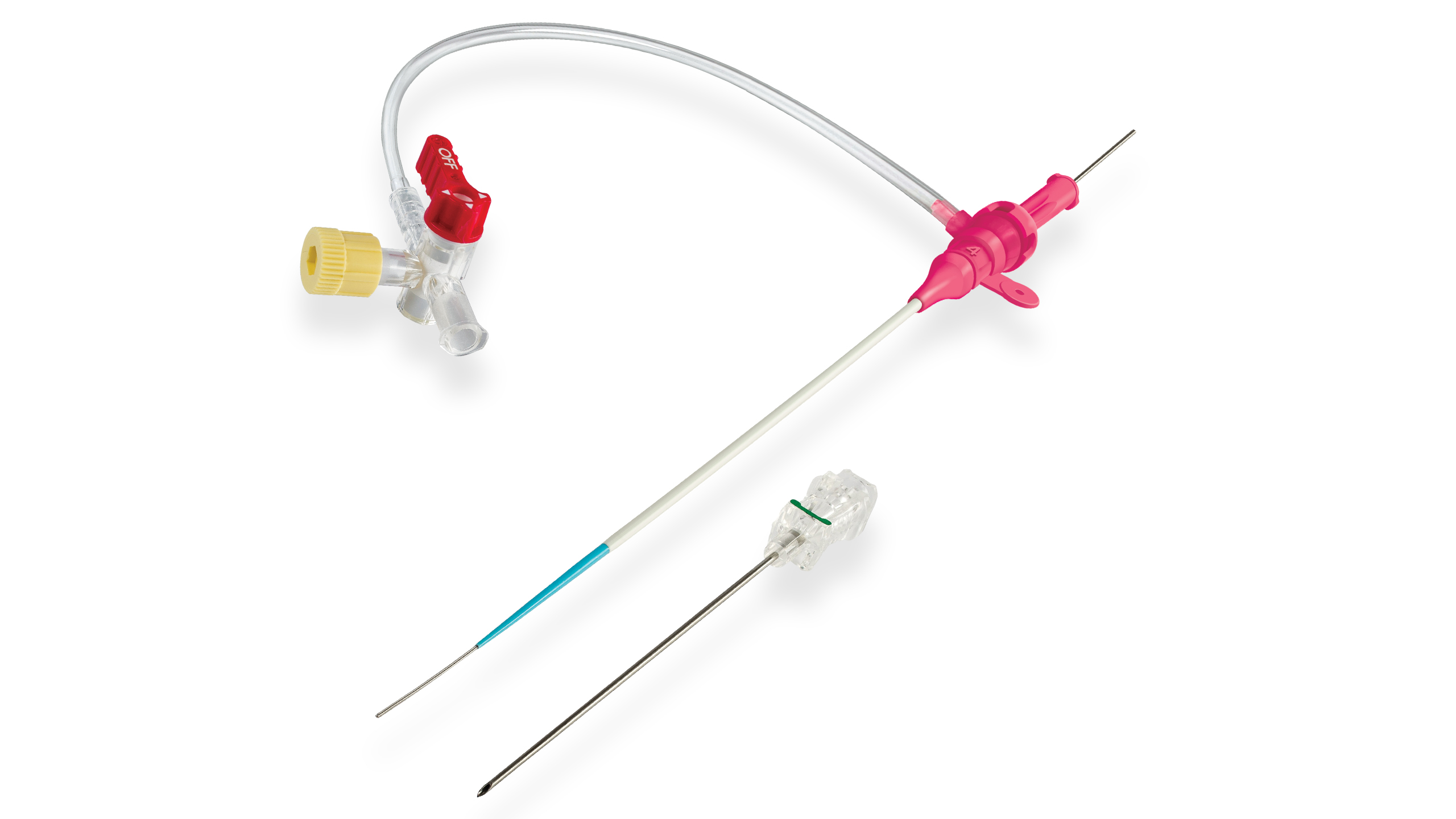
Help achieve smooth atraumatic vascular access through calcified or scarred arteries1
The unique design supports the lowest sheath penetration to minimize the size of the femoral access site.2



Competitive sheath requires 77% higher insertion force than Total Integrated Fit (TIF) technology2
| Product Code | Sheath Size (Fr) | Wire | Needle |
| 70-4160 | 4 |
Nitinol | Echogenic |
| 70-4130 | 4 |
Stainless Steel | Echogenic |
| 70-5160 | 5 | Nitinol | Echogenic |
| 70-5130 | 5 | Stainless Steel | Echogenic |
| 70-6160 | 6 | Nitinol | Echogenic |
| 70-6130 | 6 | Stainless Steel | Echogenic |
| 70-7160 | 7 | Nitinol | Echogenic |
| 70-7130 | 7 | Stainless Steel | Echogenic |
| 70-8160 | 8 | Nitinol | Echogenic |
| 70-8130 | 8 | Stainless Steel | Echogenic |
| 70-4165 | 4 Stiff* | Nitinol | Echogenic |
| 70-4135 | 4 Stiff* | Stainless Steel | Echogenic |
| 70-5165 | 5 Stiff* | Nitinol | Echogenic |
| 70-5135 | 5 Stiff* | Stainless Steel | Echogenic |
What is micropuncture in medical terms?
Micropuncture is a precise medical technique involving the creation of extremely small punctures, often using a micropipette or laser. It is commonly used in renal physiology to access nephron segments for studying kidney function, and in vascular or interventional procedures to safely gain access to small vessels. Its minimally invasive nature allows for accurate sampling or device placement with reduced tissue trauma.