Skip to Content

ACCESS

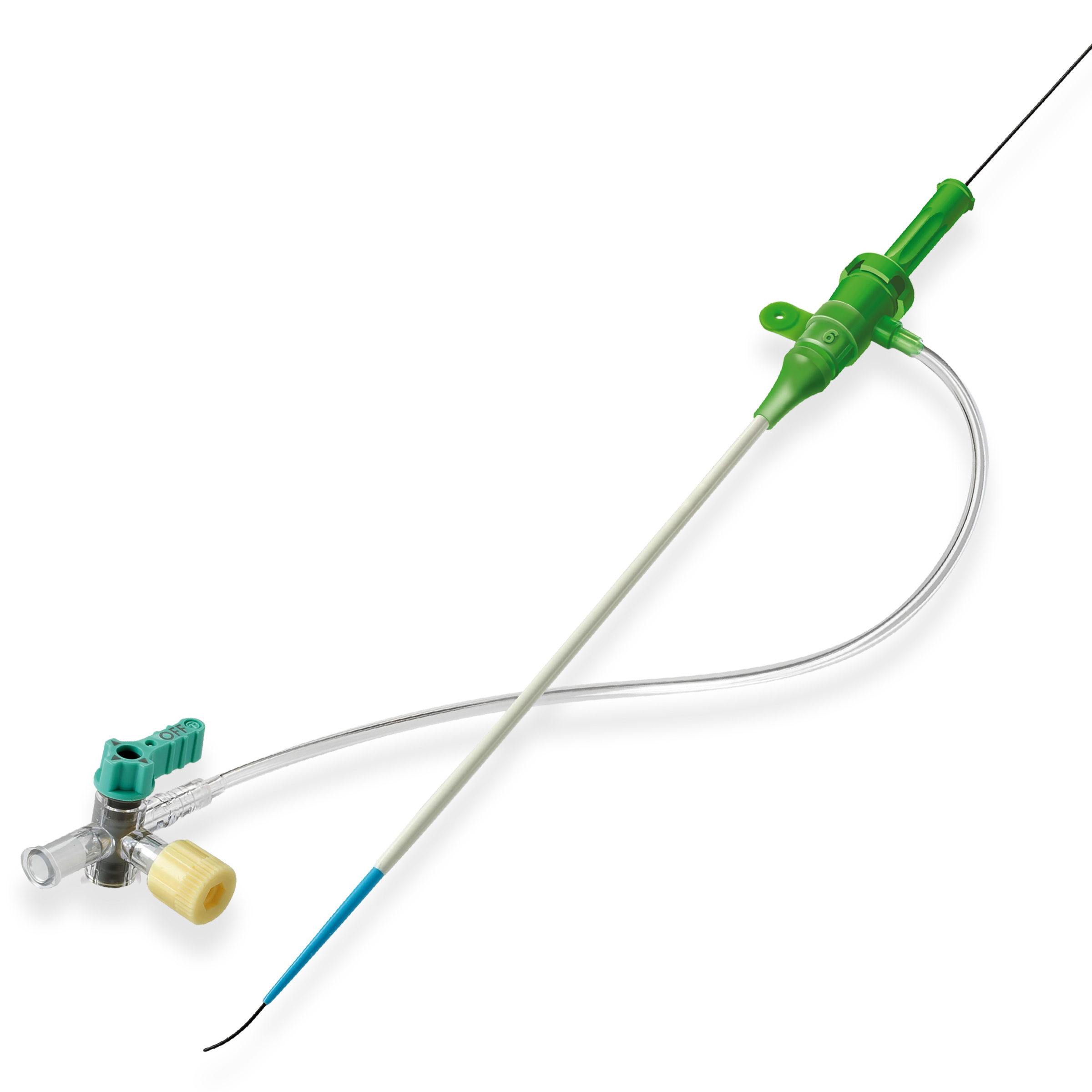
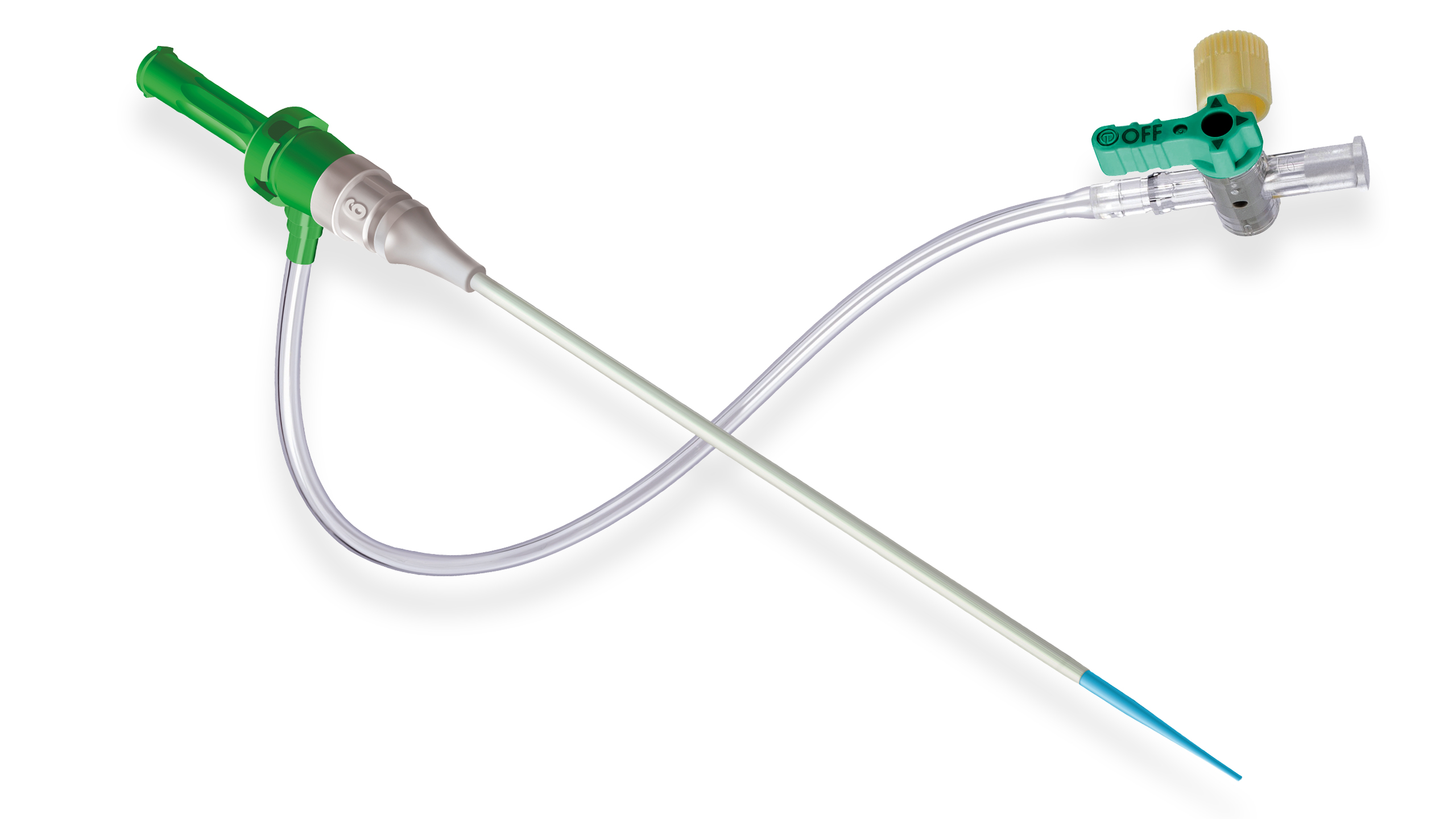
GLIDESHEATH SLENDER® Introducer Sheath

RADIAL ACCESS WIHOUT COMPROMISE1

The GLIDESHEATH SLENDER Sheath is coated with Terumo's proprietary Glide Technology™ hydrophilic coating, allowing for smooth insertion and removal. This sheath is designed with a thin-wall structure where the outside diameter is reduced by one French size while the inner-diameter equivalent is maintained.

Thin Wall Technology1

The thin wall technology featured on the Glidesheath Slender Sheath is designed to facilitate atraumatic radial access while maintaining an optimal sheath-to-artery ratio

Allows physicians to perform diagnostic and interventional procedures without upsizing to a larger sheath

Unmatched Clinical Evidence6

A meta-analysis of 10 clinical papers, involving 3,821 patients, demonstrated that use of Glidesheath Slender Sheath is associated with high rates of procedural success and low rates in performance related issues

In studies measuring patient comfort, patients who underwent percutaneous transradial procedures with the Glidesheath Slender Sheath reported none to low amounts of pain

The Market Leader in Radial Access7

In recent market research, the Glidesheath Slender Introducer Sheath was identified as the most recognized, most influential, most utilized and most trusted radial access sheath in the market

Increase Your Radial Access Options

A preferred solution for many of your patients, especially women with smaller radial arteries8

Features & Benefits

Spasm

RAS (Radial artery spasm) registry concluded predictors of spasm are:

The numbers of puncture attempts

  • More than one time (p<0.001)

The use of large sheaths

  • Sheath size ≤ 7Fr (p<0.001)

Goldsmit A et al. Catheter Cardiovasc Interv. 2014 Jan 1;83(1):E32-6

Best-In-Class Hydrophilic Coating & Tapered Tip Design

Per the American Heart Association, dedicated radial sheaths with hydrophilic coating combined with smaller diameter sheaths and a tapered tip design may reduce risk of arterial spasm and radial occlusion2

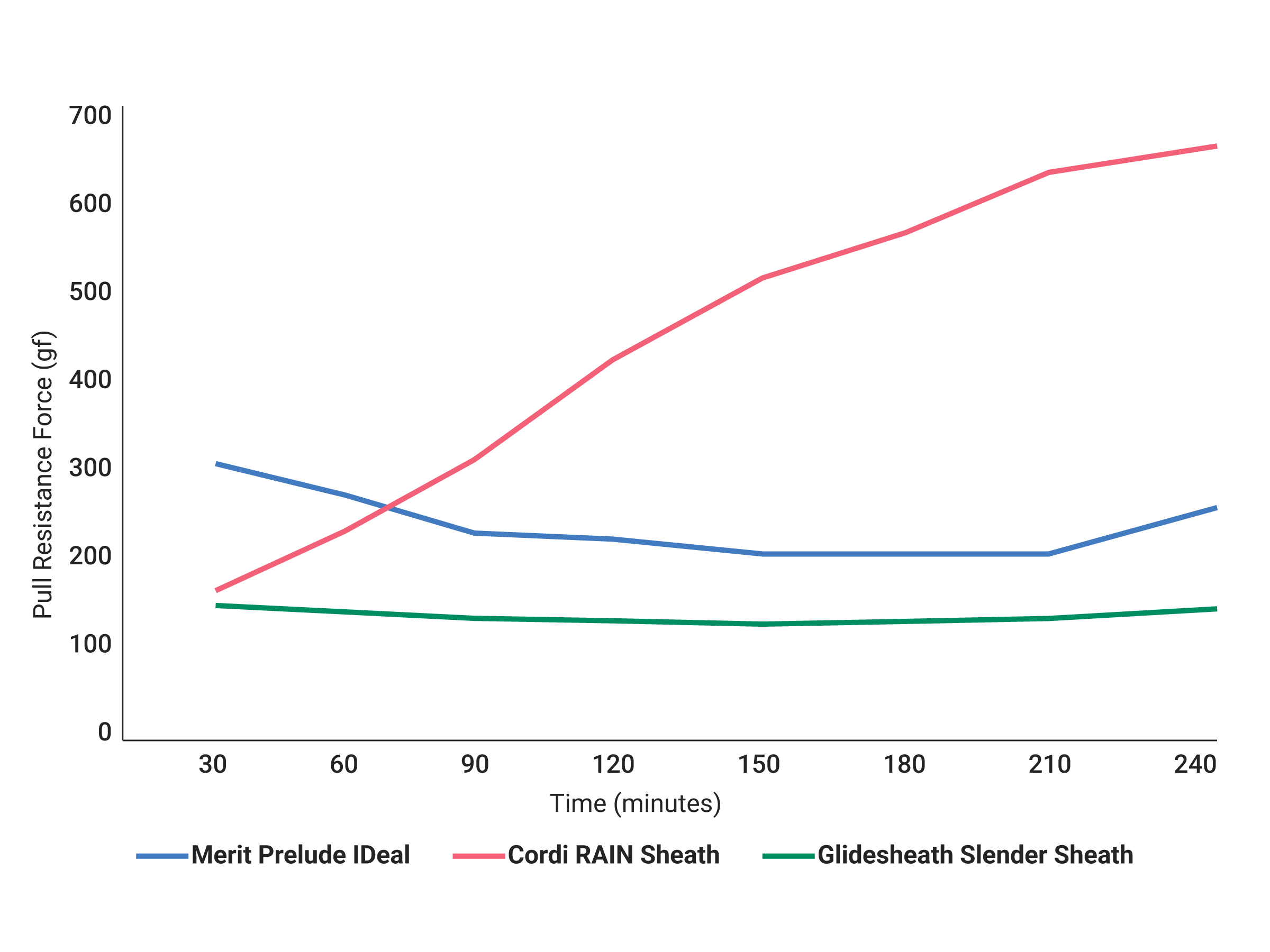
Featuring Terumo’s Glide Technology™, the Glidesheath Slender Sheath is the only thin wall radial sheath on the market to demonstrate superior and consistent performance in lubricity and lubricity durability over time3

The Glidesheath Slender Sheath is the only thin wall sheath that demonstrated best in class performance in all of the American Heart Association’s identified critical features that lead to reduced spasm4

Tips & Tricks of Coated Sheath

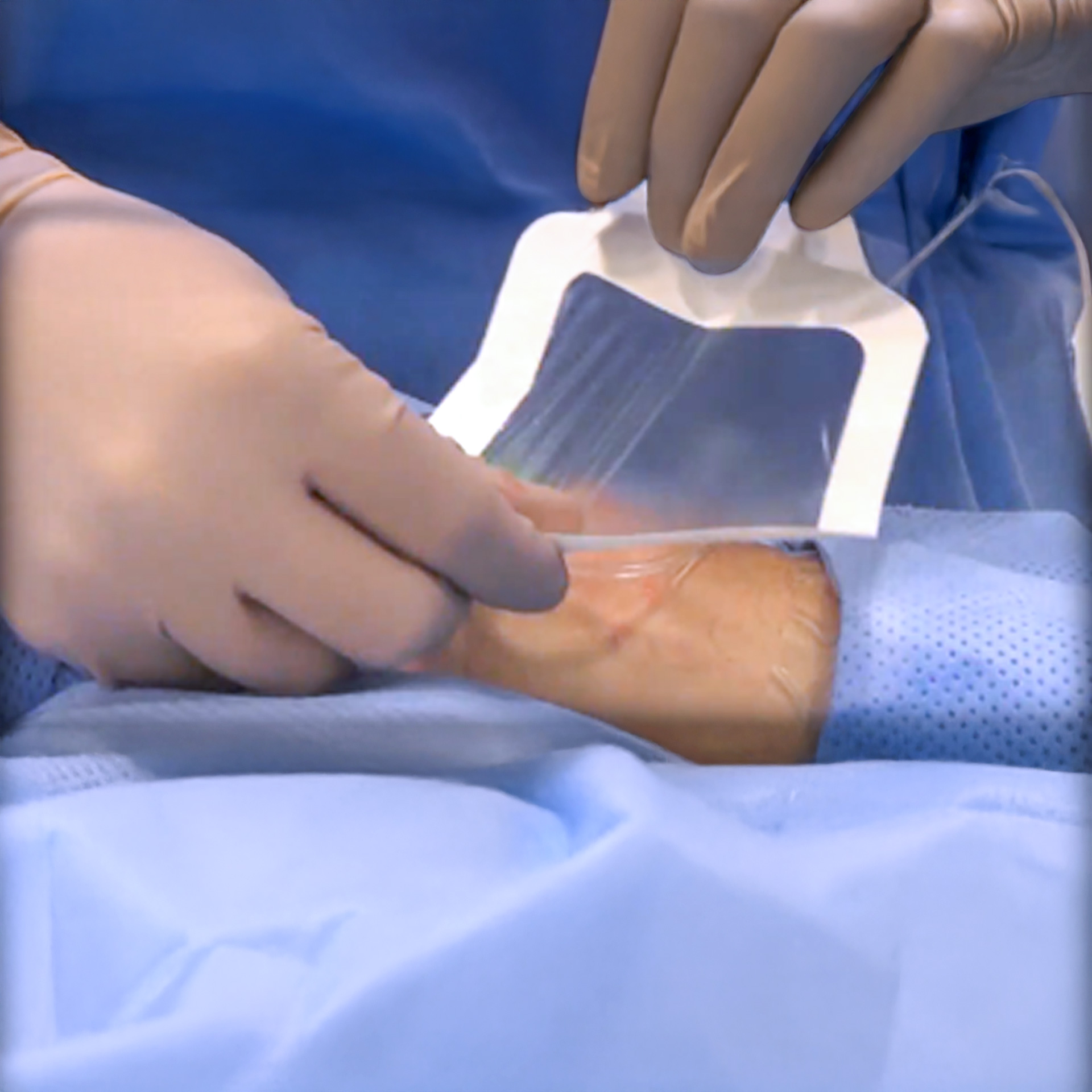
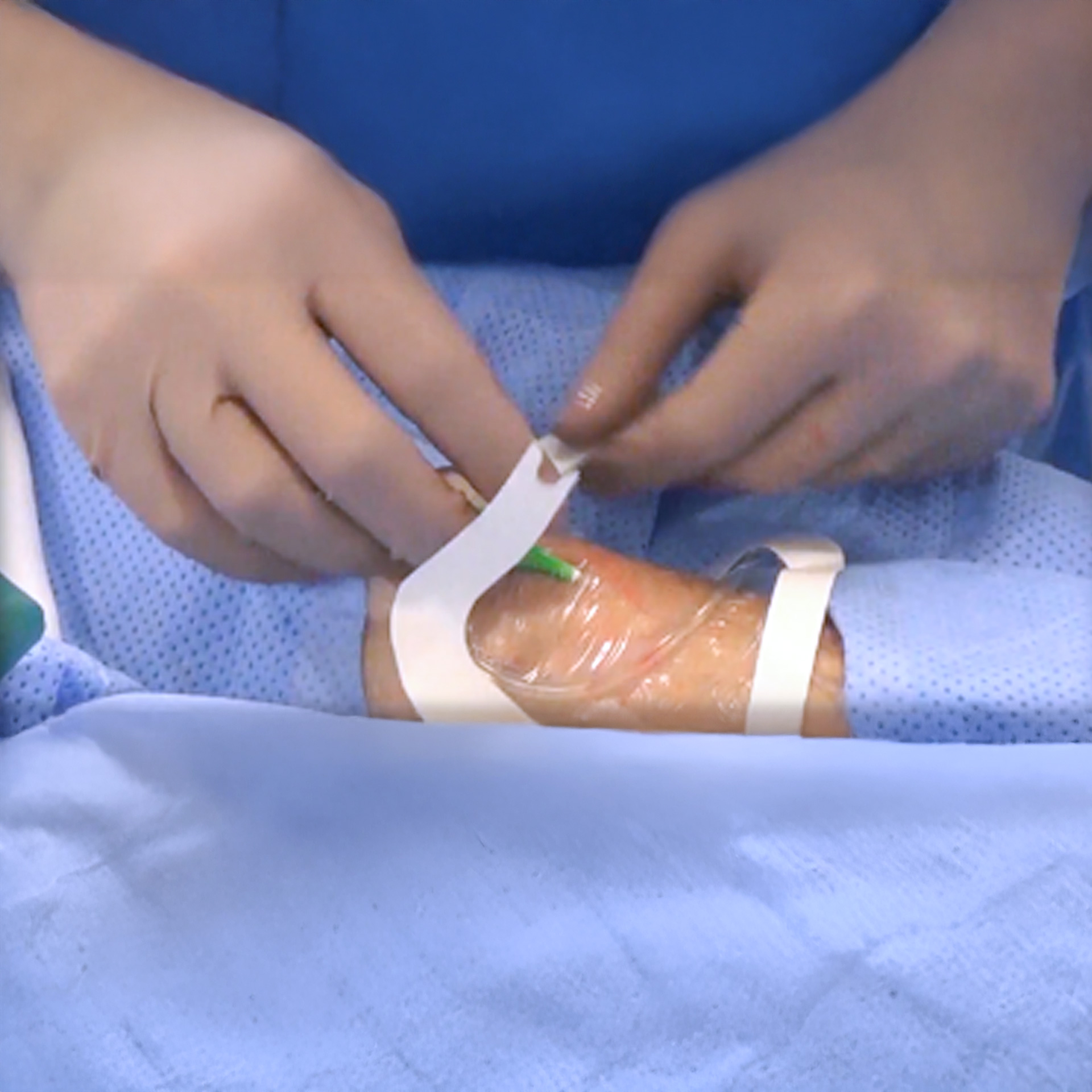
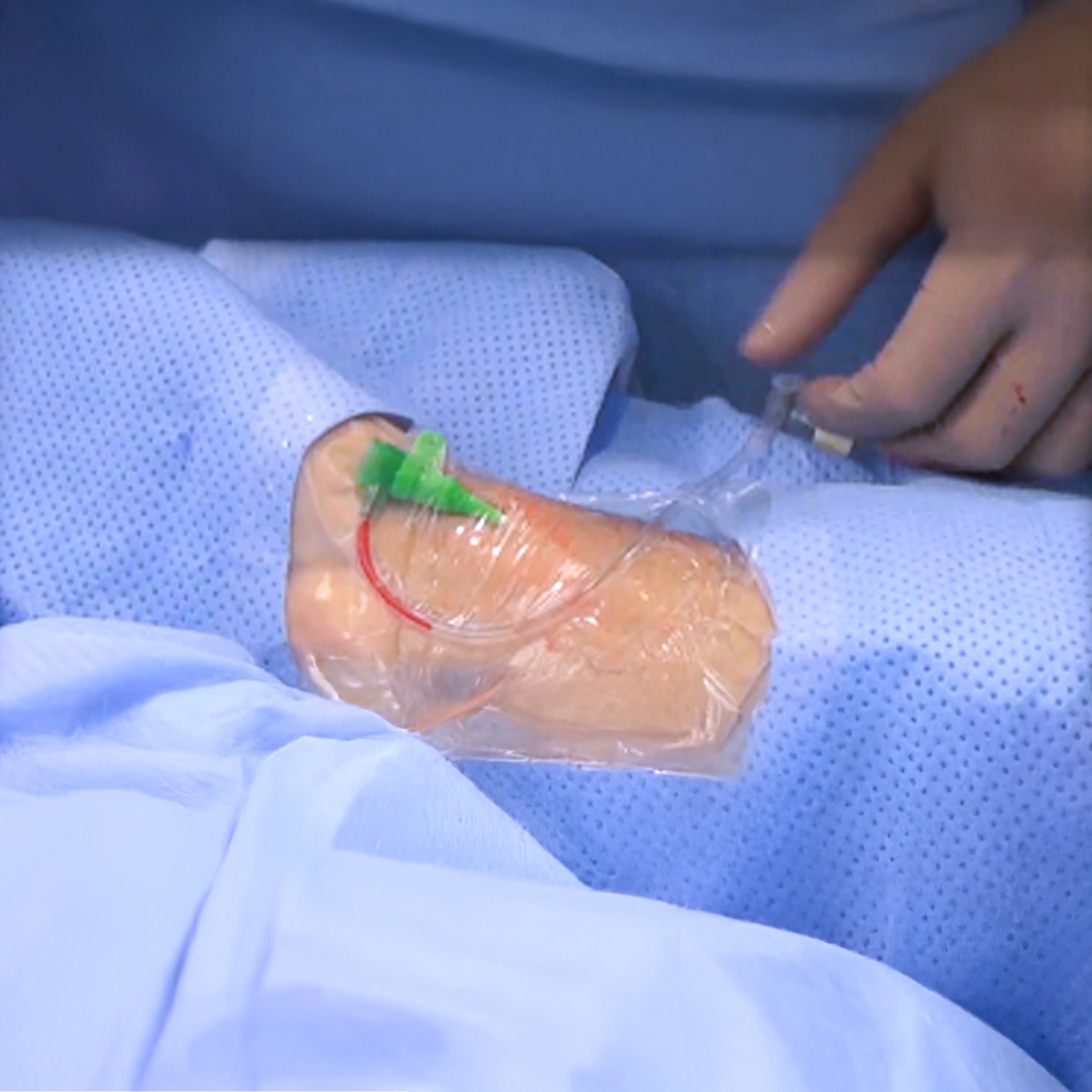
Transparent surgical dressing tape can prevent sheath slippage during procedure.

Additional Resources

The Glidesheath Slender Introducer Sheath comes in three kit options: Access, Stainless Steel and Nitinol. Please see below for more information.

Stainless Steel

The Glidesheath Slender® Stainless Steel Kit is intended for anterior wall puncture and is available in 5F, 6F and 7F sizes with length options of 10cm and 16cm. Each kit comes with a stainless steel guidewire and needle. Kit configurations are listed below:

Item Code

Sheath

Dilator

Mini-Guidewire

Needle

Access Method

80-1050

SS Kit – 5F 10cm

0.021”

Flex Straight 0.021” x 45cm

21G 35mm

Anterior Wall

80-1055

SS Kit – 5F 10cm

0.025”

Flex Straight 0.025” x 45cm

20G 35mm

Anterior Wall

80-1060

SS Kit – 6F 10cm

0.021”

Flex Straight 0.021” x 45cm

21G 35mm

Anterior Wall

80-1065

SS Kit – 6F 10cm

0.025”

Flex Straight 0.025” x 45cm

20G 35mm

Anterior Wall

80-1070

SS Kit – 7F 10cm

0.021”

Flex Straight 0.021” x 45cm

21G 35mm

Anterior Wall

80-1075

SS Kit – 7F 10cm

0.025”

Flex Straight 0.025” x 45cm

20G 35mm

Anterior Wall

80-1650

SS Kit – 5F 16cm

0.021”

Flex Straight 0.021” x 80cm

21G 35mm

Anterior Wall

80-1660

SS Kit – 6F 16cm

0.021”

Flex Straight 0.021” x 80cm

21G 35mm

Anterior Wall

80-1670

SS Kit – 7F 16cm

0.021”

Flex Straight 0.021” x 80cm

21G 35mm

Anterior Wall

Access Kit

The GLIDESHEATH SLENDER Access Kit is intended for double wall puncture and is available in 5F, 6F and 7F sizes with length options of 10cm and 16cm. Each kit comes with a plastic jacketed guidewire and angiocath needle. Kit configurations are listed below:

Item Code

Sheath

Dilator

Mini-Guidewire

Needle

Access Method

60-1050

A-Kit – 5F 10cm

0.021”

Plastic Shortangle 0.021” x 45cm

22G 25mm

Double Wall

60-1055

A-Kit – 5F 10cm

0.025”

Plastic Shortangle 0.025” x 45cm

20G 32mm

Double Wall

60-1060

A-Kit – 6F 10cm

0.021”

Plastic Shortangle 0.021” x 45cm

22G 25mm

Double Wall

60-1065

A-Kit – 6F 10cm

0.025”

Plastic Shortangle 0.025” x 45cm

20G 32mm

Double Wall

60-1070

A-Kit – 7F 10cm

0.021”

Plastic Shortangle 0.021” x 45cm

22G 25mm

Double Wall

60-1075

A-Kit – 7F 10cm

0.025”

Plastic Shortangle 0.025” x 45cm

20G 32mm

Double Wall

60-1650

A-Kit – 5F 16cm

0.021”

Plastic Shortangle 0.021” x 80cm

22G 25mm

Double Wall

60-1660

A-Kit – 6F 16cm

0.021”

Plastic Shortangle 0.021” x 80cm

22G 25mm

Double Wall

60-1670

A-Kit – 7F 16cm

0.021”

Plastic Shortangle 0.021” x 80cm

22G 25mm

Double Wall

Nitinol Kit

The GLIDESHEATH SLENDER Nitinol Kit is intended for anterior wall puncture and is available in 5F, 6F and 7F sizes with a length of 10cm. Each kit comes with a nitinol guidewire and needle. Kit configurations are listed below:

Item Code

Sheath

Dilator

Mini-Guidewire

Needle

Access Method

50-1050

Nitinol Kit – 5F 10cm

0.021”

Nitinol/Floppy 0.021” x 43cm

21G 38mm

Anterior Wall

50-1060

Nitinol Kit – 6F 10cm

0.021”

Nitinol/Floppy 0.021” x 43cm

21G 38mm

Anterior Wall

50-1070

Nitinol Kit – 7F 10cm

0.021”

Nitinol/Floppy 0.021” x 43cm

21G 38mm

Anterior Wall

What is a vascular sheath?

A vascular sheath is a short, tubular introducer system designed to establish and maintain stable access to an artery or vein during endovascular procedures. Constructed with a hemostatic valve and side‐port, it allows repeated catheter and guidewire exchanges while minimizing blood loss and preserving access integrity.

In interventional radiology, the sheath is typically inserted over a guidewire following percutaneous vessel entry. Once positioned, it serves as a conduit that protects the vessel wall from repetitive instrumentation and provides a controlled pathway for diagnostic and therapeutic devices such as microcatheters, balloon systems, stents, and embolic delivery platforms.

Modern vascular sheaths are engineered with low‐profile designs, hydrophilic coatings for smoother insertion, and varying lengths and French sizes tailored to anatomical location and procedural complexity. The hemostasis valve maintains intraluminal pressure control, while the side‐arm enables contrast injection, pressure monitoring, or anticoagulation infusion without compromising sterility or access.

Related Products

References

RX ONLY. The advertisement is directed to physicians only, and not to consumers. Refer to product labels and packaging insert for complete warnings, precautions, potential complications, and instructions for use. Products may not have regulatory approval in all countries. Please contact your local sales representative if you have questions about the availability of products in your area.


1. Data on file.
3, 5. When compared to the existing thin wall sheaths on the market: Merit Prelude IDeal and Cordis RAIN Sheath. The third-party trademarks used herein are trademarks of their respective owners. Data on file. 
2. Mason. et al; Transradial Coronary Angiography and Intervention in ACS. Circ Cardiovasc Interv. 2018;11:e000035
4. Identified features are: “hydrophilic coating, smaller diameter and tapered tip design.” Mason. et al; Transradial Coronary Angiography and Intervention in ACS. Circ Cardiovasc Interv. 2018;11:e000035. When compared to the existing thin wall sheaths on the market: Merit Prelude IDeal and Cordis RAIN Sheath. The third-party trademarks used herein are trademarks of their respective owners. Data on file. 
6. The Glidesheath Slender Sheath demonstrated unmatched clinical evidence in a third-party meta-analysis of clinical access studies. Data on file.
7. Data on file, pertains to North American market only.
8. Saito S, et al. Influence of the ratio between radial artery inner diameter and sheath outer diameter on radial artery flow after transradial coronary intervention. Cath Cardio Inter. 1999;46(2):173-178.