
Skip to Content
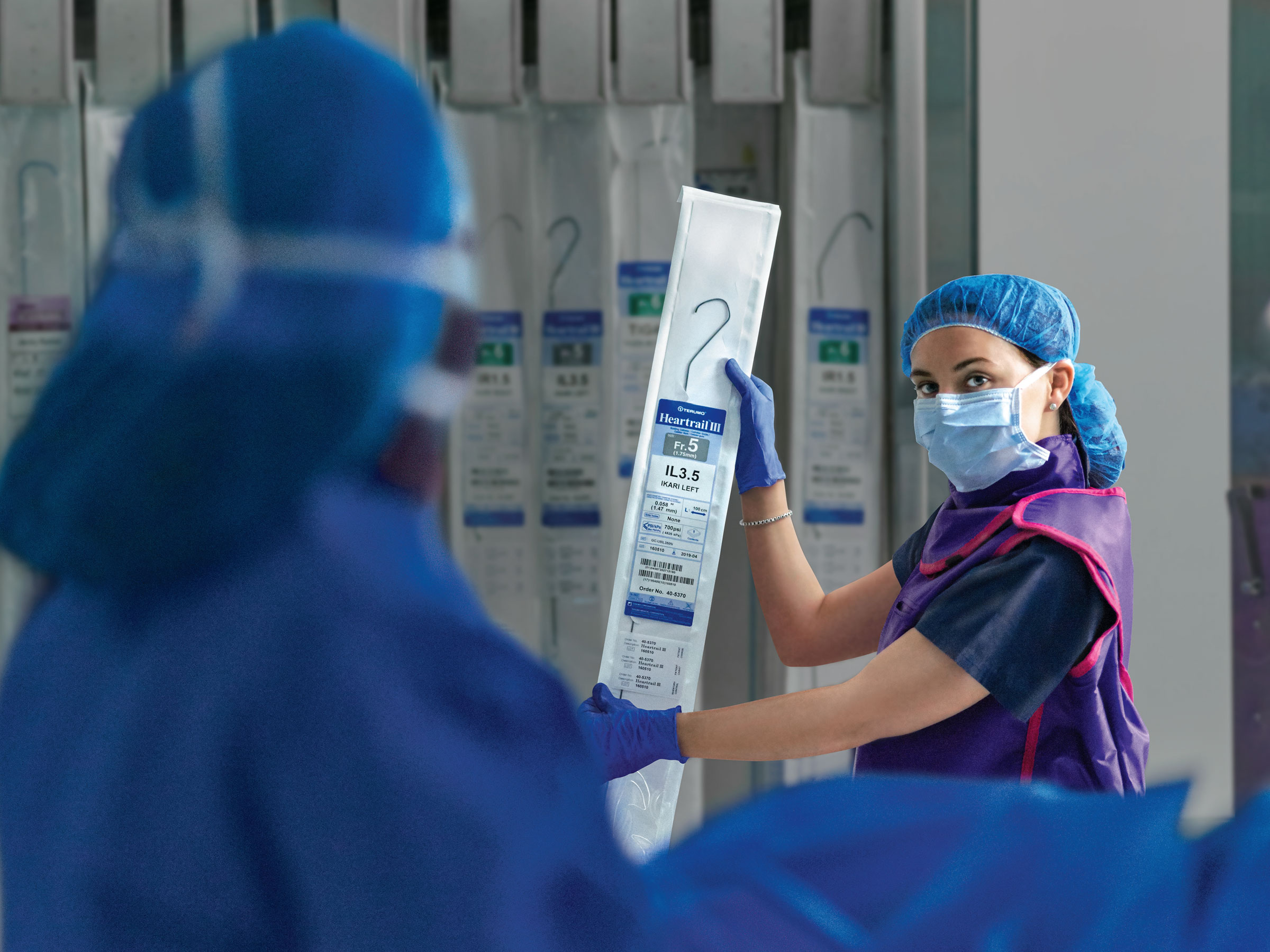
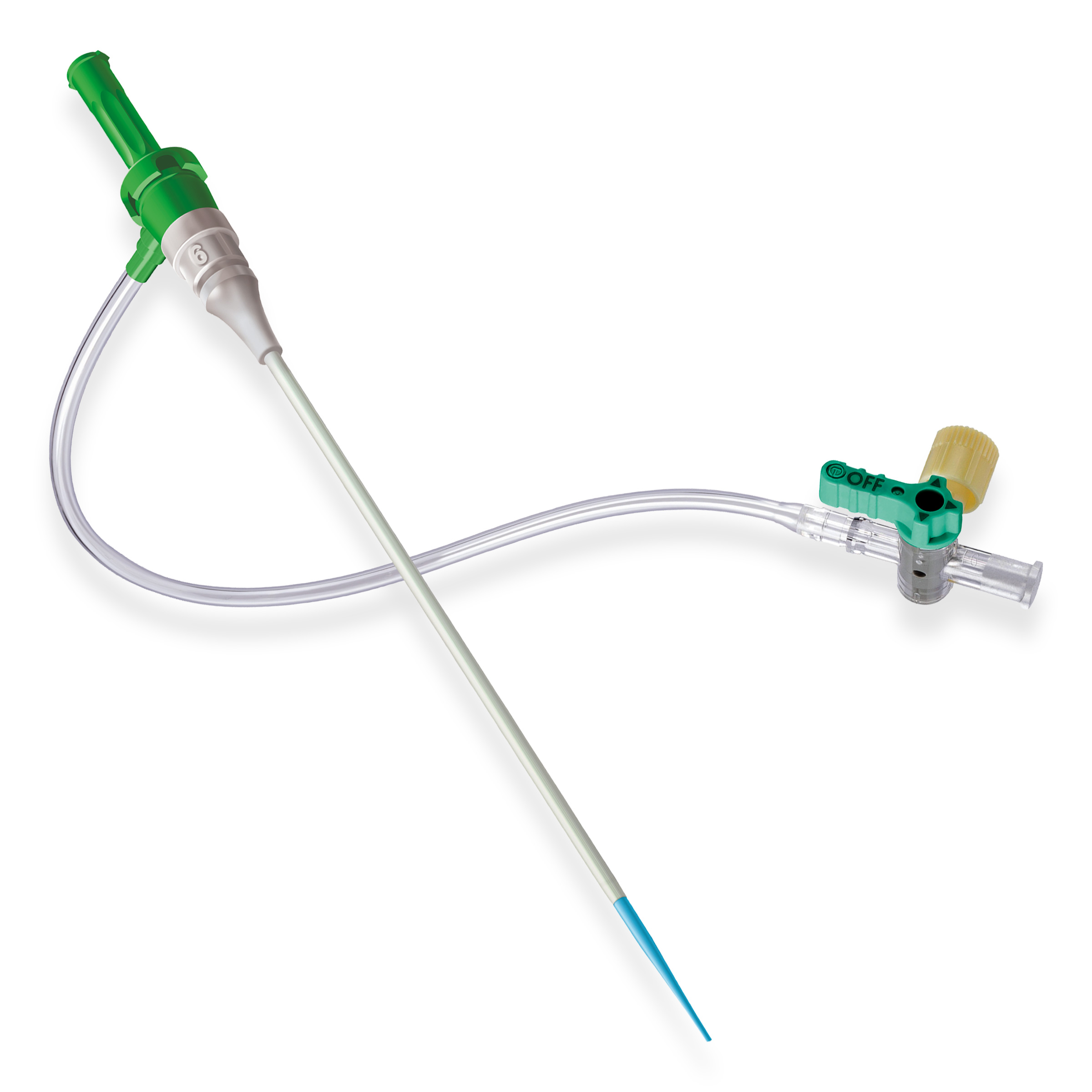
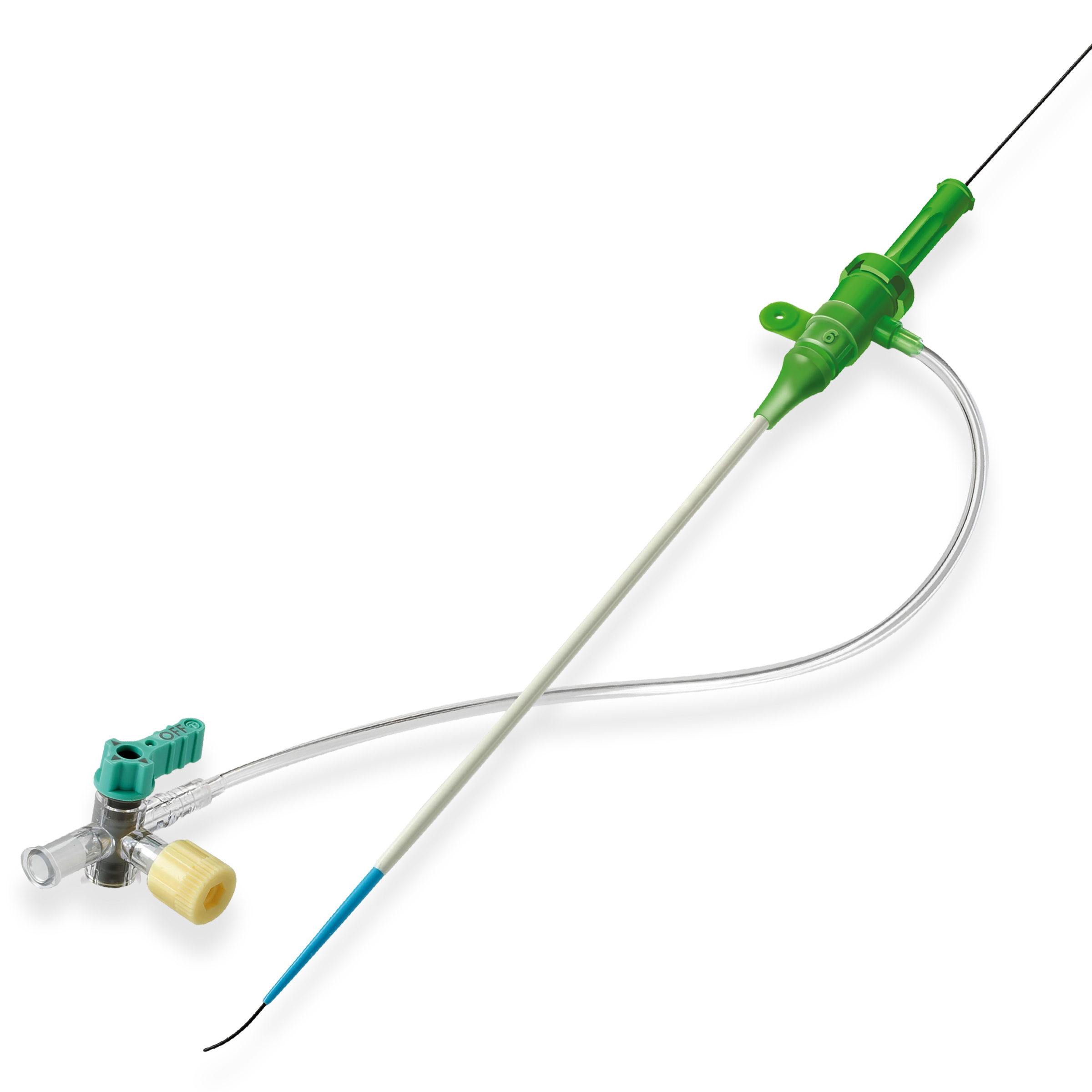
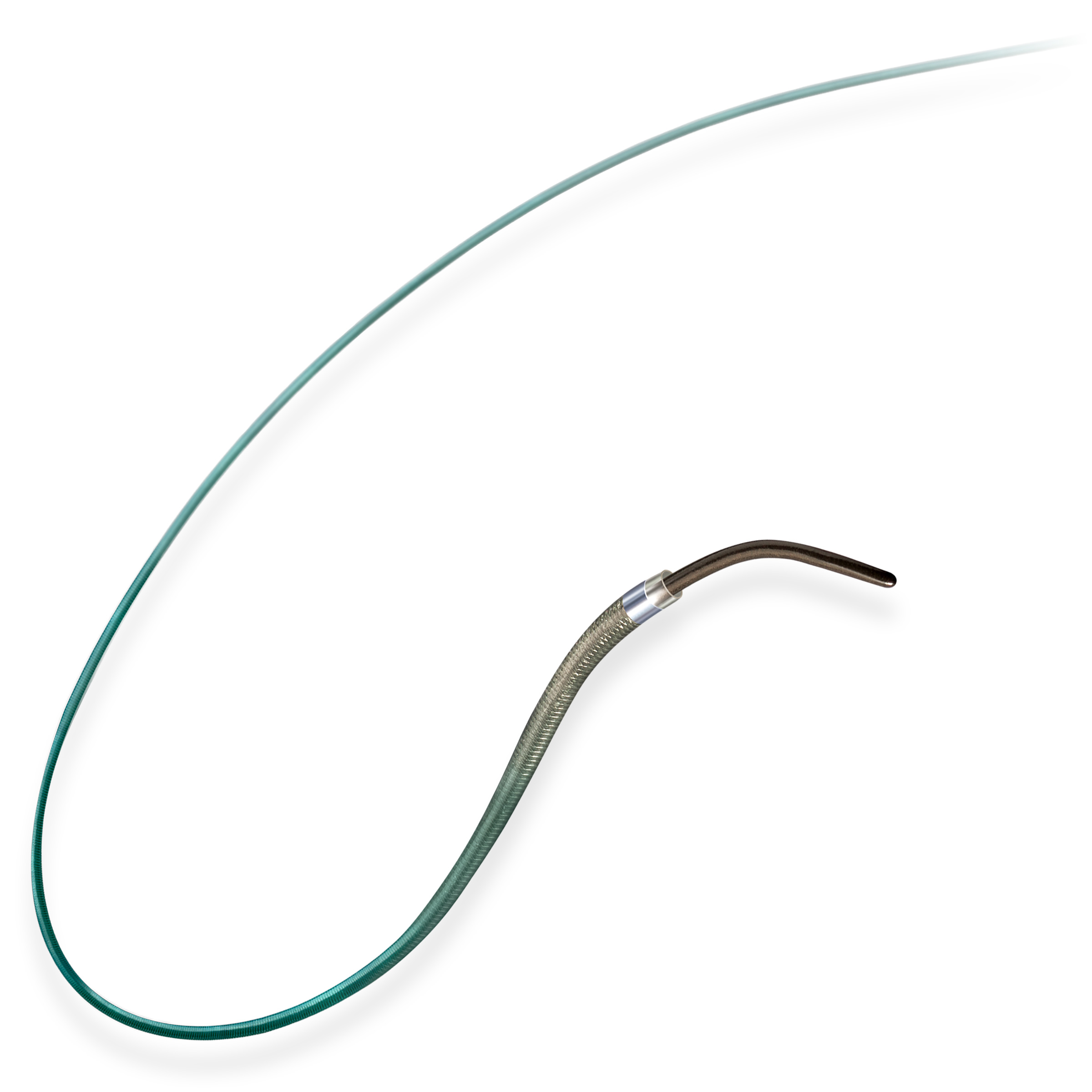
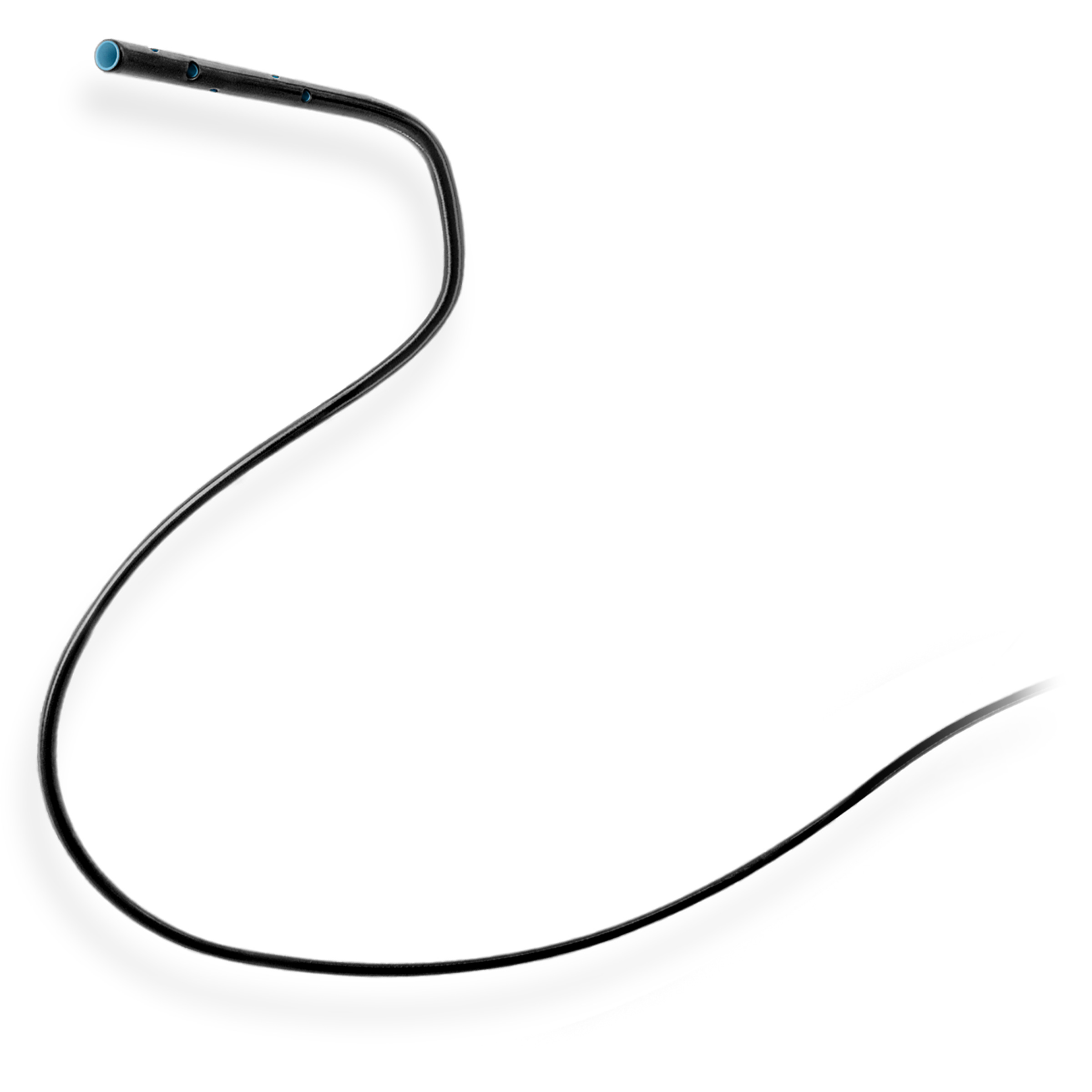
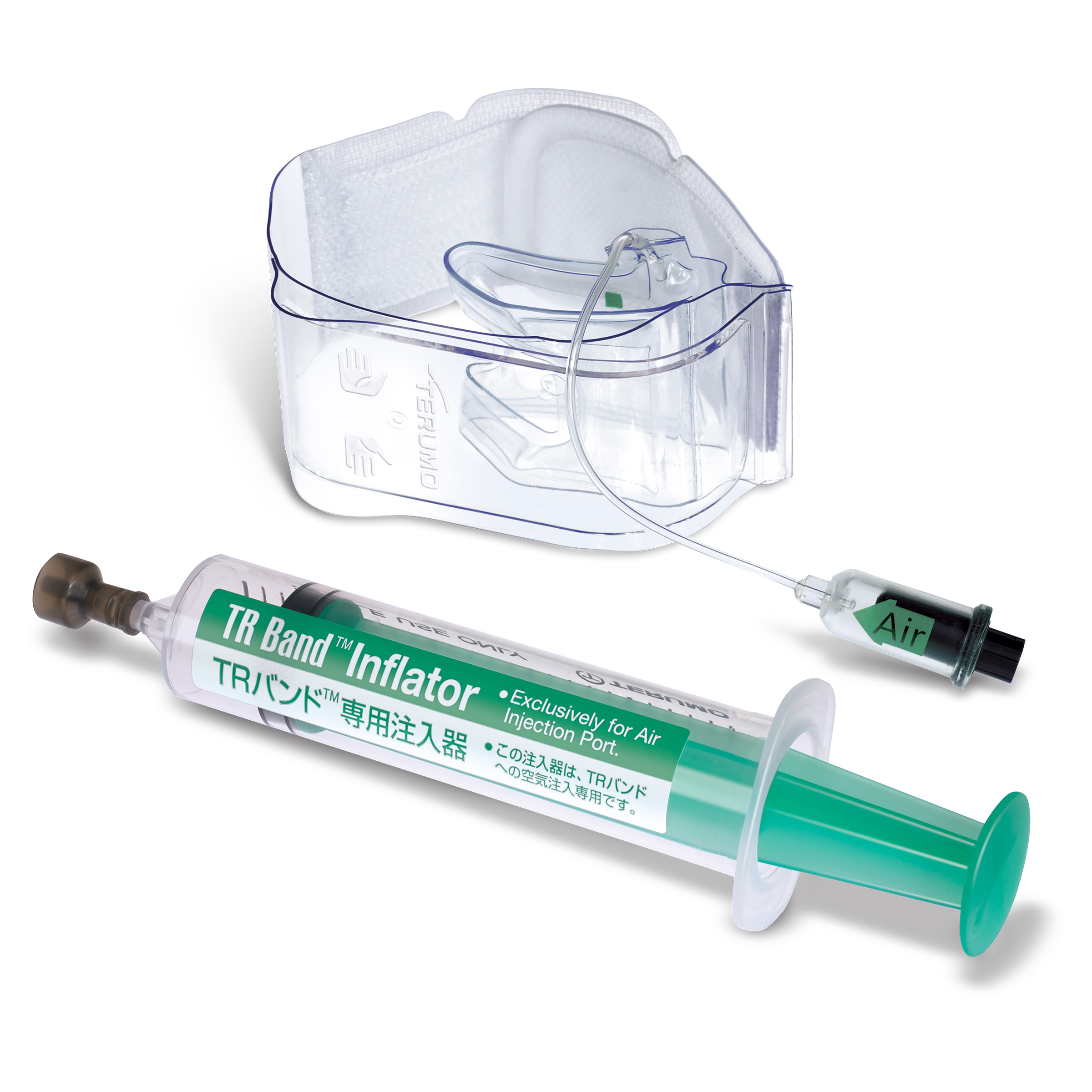
(Main header image) Image of Terumo radial to visceral interventional (R2V) products

PROCEDURAL SOLUTIONS

Transradial UFE With HYDROPEARL™ Microspheres

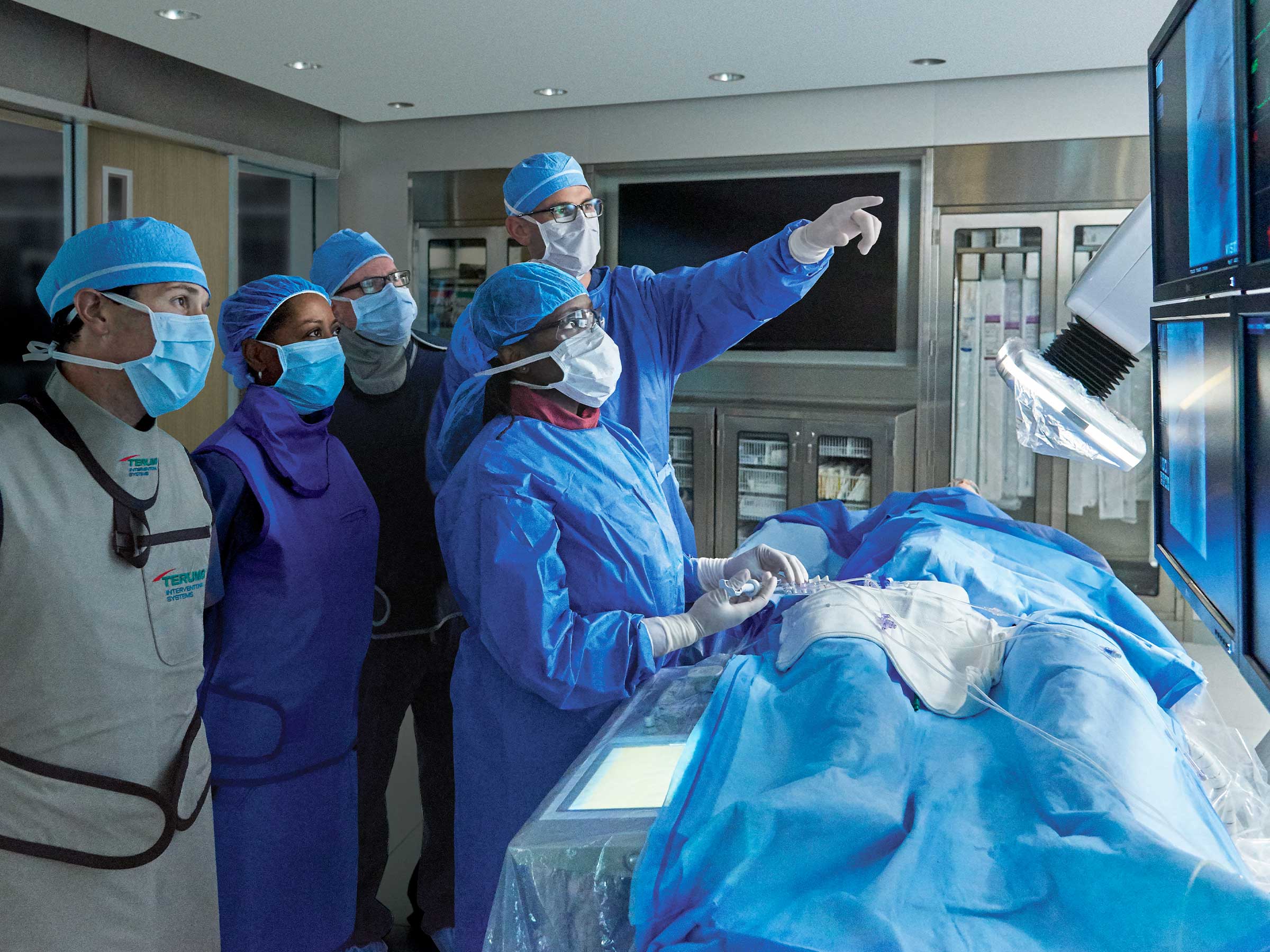
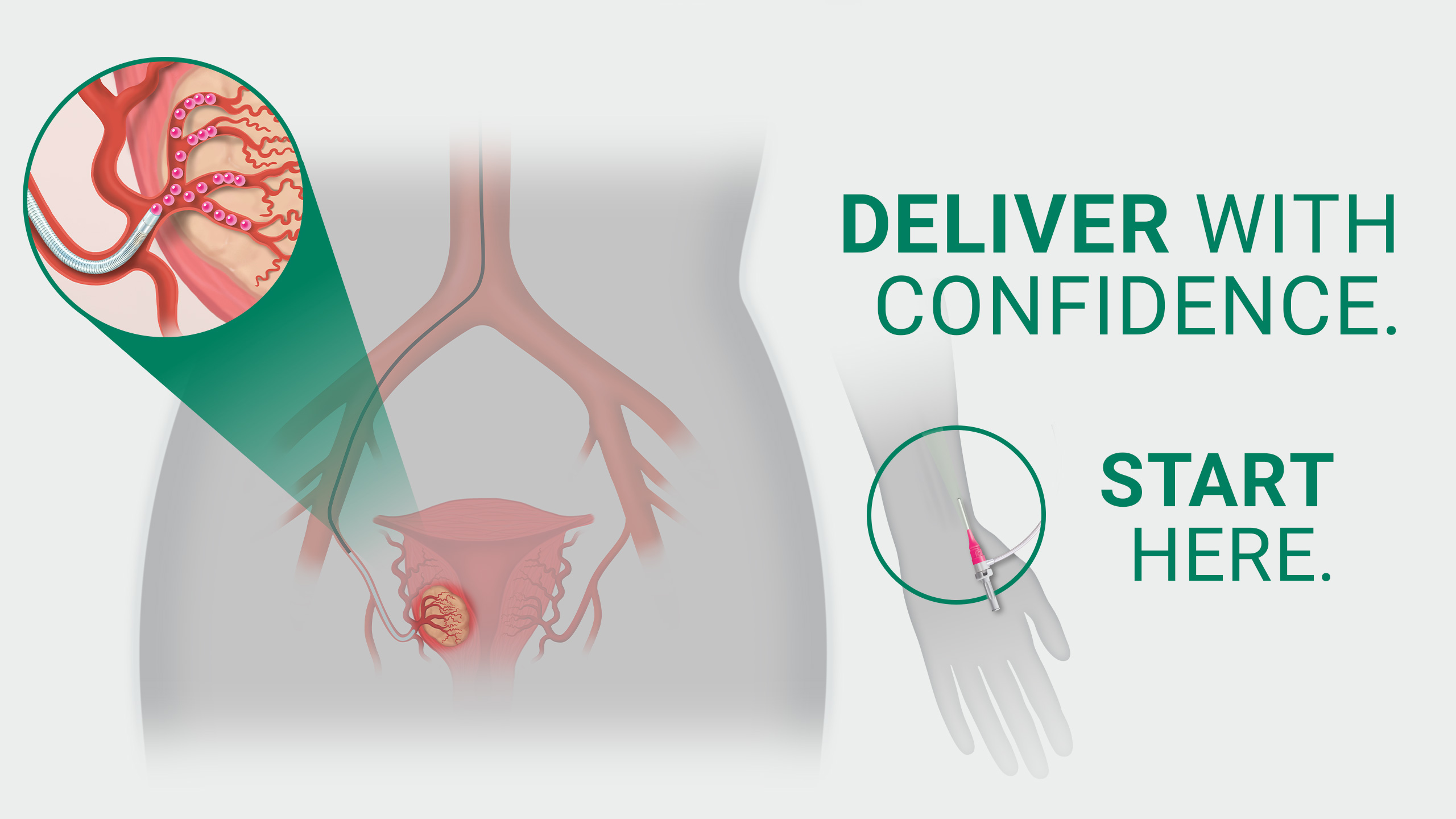
Uterine fibroids account for 30% of the 600,000 women who undergo hysterectomies annually.1 Uterine fibroid embolization (UFE) is a minimally invasive alternative to hysterectomy or myomectomy.

Treat More Patients7

  • Easier access site management
  • Reach visceral anatomy and beyond with longer access products
  • Patient-preferred

Increase Efficiencies7

  • Allows for same-day-discharge
  • Reduce costs and improve procedure time
  • Ease of access to vessel origins from above

Reduce Procedural Complications7

  • Less bleeding complications at the access site
  • Low risk for stroke
  • No reliance on internal closure device


TransRadial Artery Access (TRA) is proven to reduce associated bleeding and vascular complications. Using TRA in embolization procedures conveys proven benefits such as same day discharge opportunities, reduction in major bleeding complications, a readily accessible and easy to manage access site, and improved patient satisfaction.2-5

Terumo Interventional Systems is equipped to support your UFE procedure from access to embolization to closure.

Transradial UFE with HYDROPEARLTM Microspheres


Keep your patients in mind as you embolize. The unique formulation of HYDROPEARL Microspheres was exclusively developed to offer controlled and targeted embolization. HYDROPEARL Microspheres are tightly calibrated and indicated for embolization of uterine fibroids. This precise calibration may allow more predictable and targeted embolization.6-8

Additional Resources

Video Workshop

Embolization Options for Pelvic Venous Disease & Uterine Fibroids

Featured: Theresa Crain, MD, Jessica Stewart, MD

Embolization treatment options in the management of pelvic venous disease/pelvic congestion syndrome as well as transradial uterine fibroid embolization (TRUFE).

Study

Uterine Artery Embolization Using a Transradial Approach: Initial Experience and Technique

Featured: Neil J. Resnick MD, Edward Kim MD, Rahul S. Patel MD, Robert A. Lookstein MD, F. Scott Novakowski MD, Aaron M. Fischman MD

This study investigates the feasibility of performing uterine artery embolization (UAE) via transradial access (TRA).

Study

Transradial and Transfemoral Uterine Fibroid Embolization Comparative Study: Technical and Clinical Outcomes

Featured: Masoud Nateghi, Aliza Mojtahedi, Salima Faith, Ammar Sarwar, Olga R Brook

Comparing clinical and technical outcomes of transradial (TRA) uterine artery embolization (UAE) with those of the transfemoral (TFA) approach.

Study

Single-System Experience With Outpatient Transradial Uterine Artery Embolization: Safety, Feasibility, Outcomes, and Early Rates of Return

Featured: Alex Sher, Amy Garvey, Samir Kamat, Mona Ranade, Edward Kim, Rahul S Patel, Scott Novakowski, Aaron Fischman, Robert A. Vivian Bishay

Assessing feasibility and rate of patients returning to the hospital when a same-day discharge protocol is used for patients undergoing transradial uterine artery embolization (UAE) for symptomatic fibroids.

Related Products

Need More Information?

We can help.

References


  1. Gonsalves C. Uterine artery embolization for treatment of symptomatic fibroids. Semin Intervent Radiol. 2008;25(4):369-377. doi:10.1055/s-0028-1103001.
  2. Schussler JM. Effectiveness and safety of transradial artery access for cardiac catheterization. Proc (Bayl Univ Med Cent). 2011; 24(3):205-209.
  3. Marso SP, et al. National Cardiovascular Data Registry. Association between use of bleeding avoidance strategies and risk of periprocedural bleeding among patients undergoing percutaneous coronary intervention. JAMA. 2010 Jun 2;303(21):2156-64. doi: 10.1001/jama.2010.708. PMID: 20516416.
  4. Duffin DC, Muhlestein JB, Allisson SB, et al. Femoral arterial puncture management after percutaneous coronary procedures: a comparison of clinical outcomes and patient satisfaction between manual compression and two different vascular closure devices. J Invasive Cardiol. 2001;13(5):354-362.
  5. Valgimigli M, et al. MATRIX Trial. Radial versus femoral access in patients with acute coronary syndromes undergoing invasive management: a randomized multicenter trial. Lancet. 2015;385:2465-76.
  6. PD111835 Rev. C PM-08035 Revised 2021-11.
  7. Data on file.
  8. Karolin J. Paprottka et al In-vitro-study of physical properties of various embolization particles regarding morphology before, during and after catheter passage. Clinical Hemorheology and Microcirculation. 1386-0291/16.