GUIDEWIRES
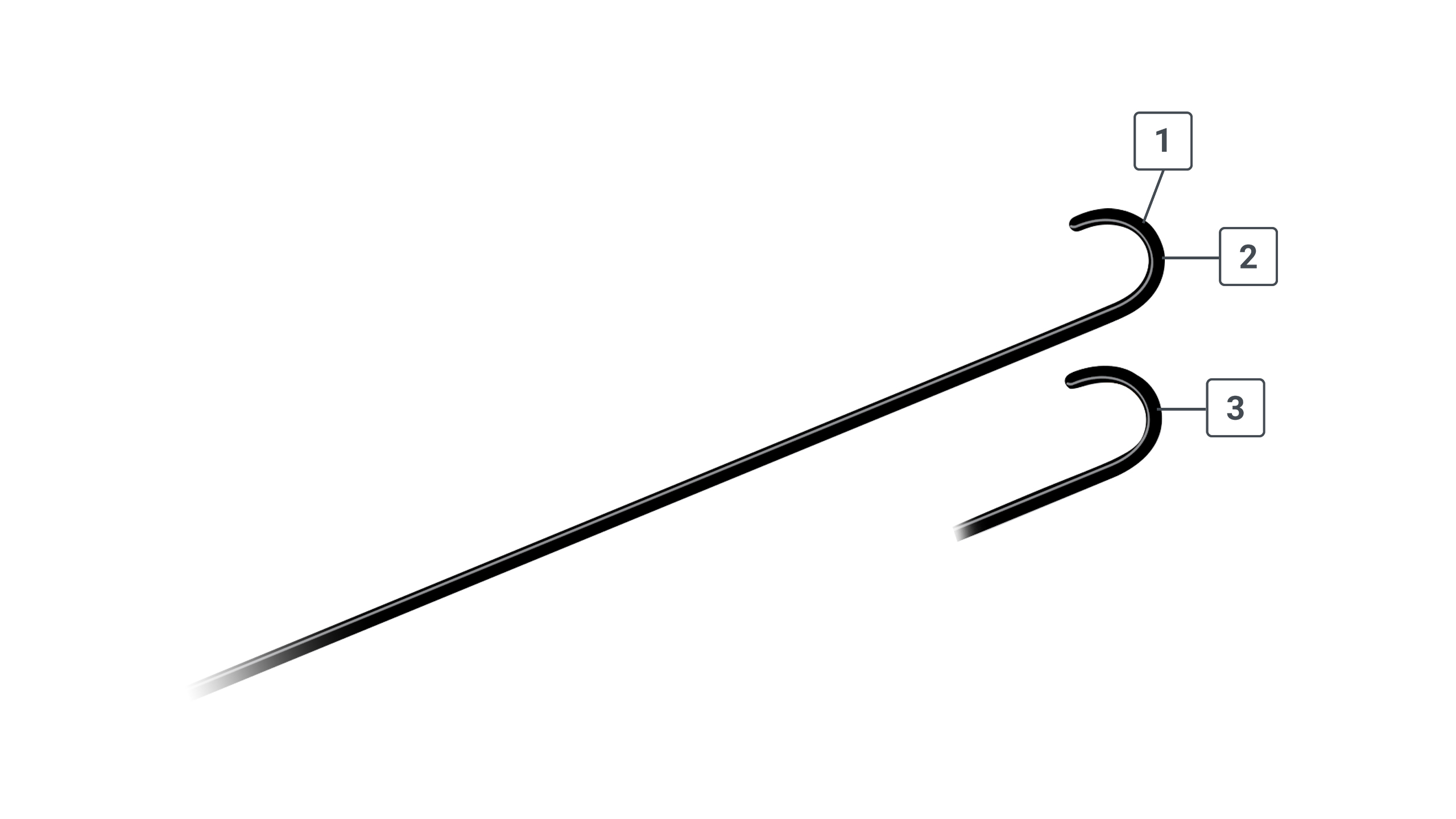
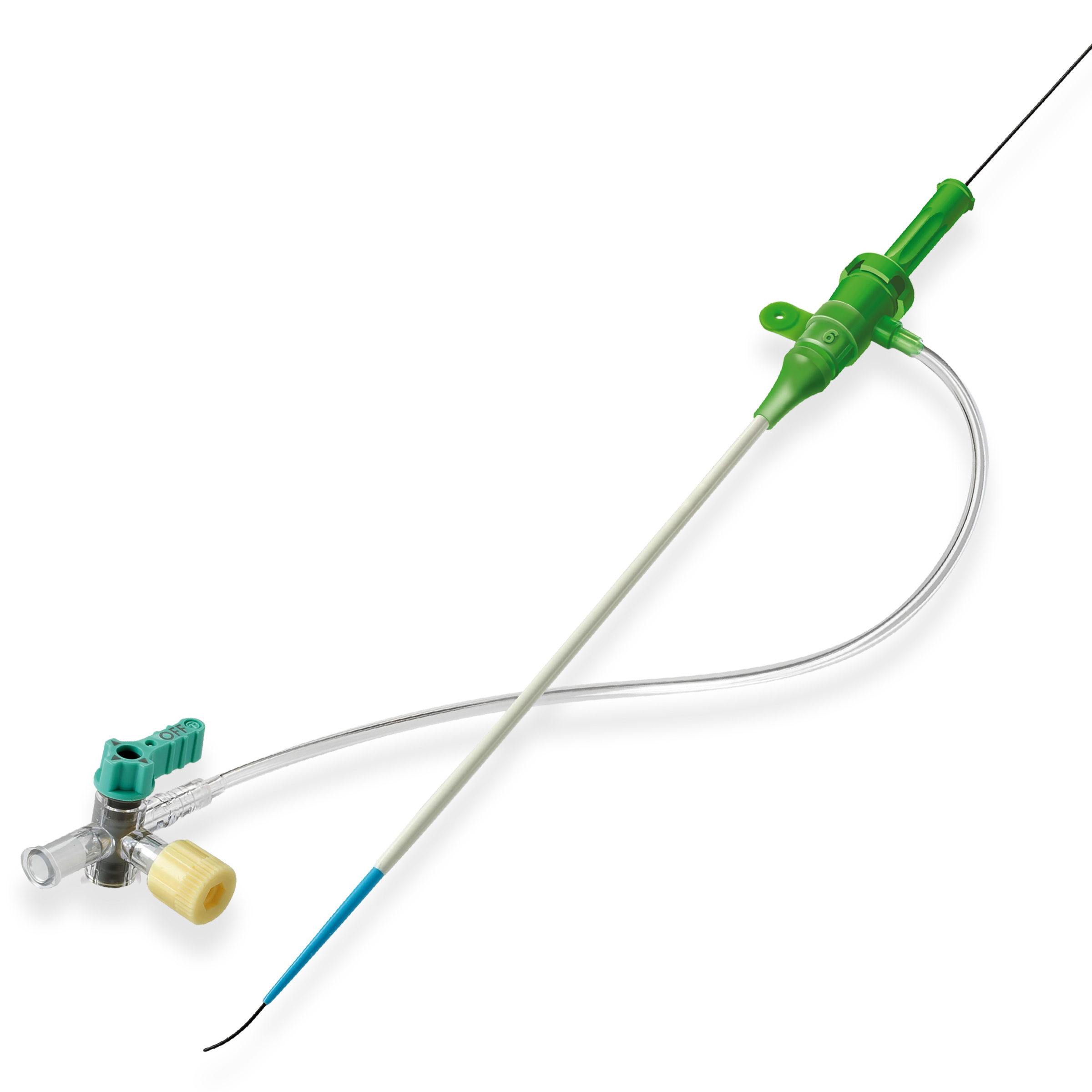
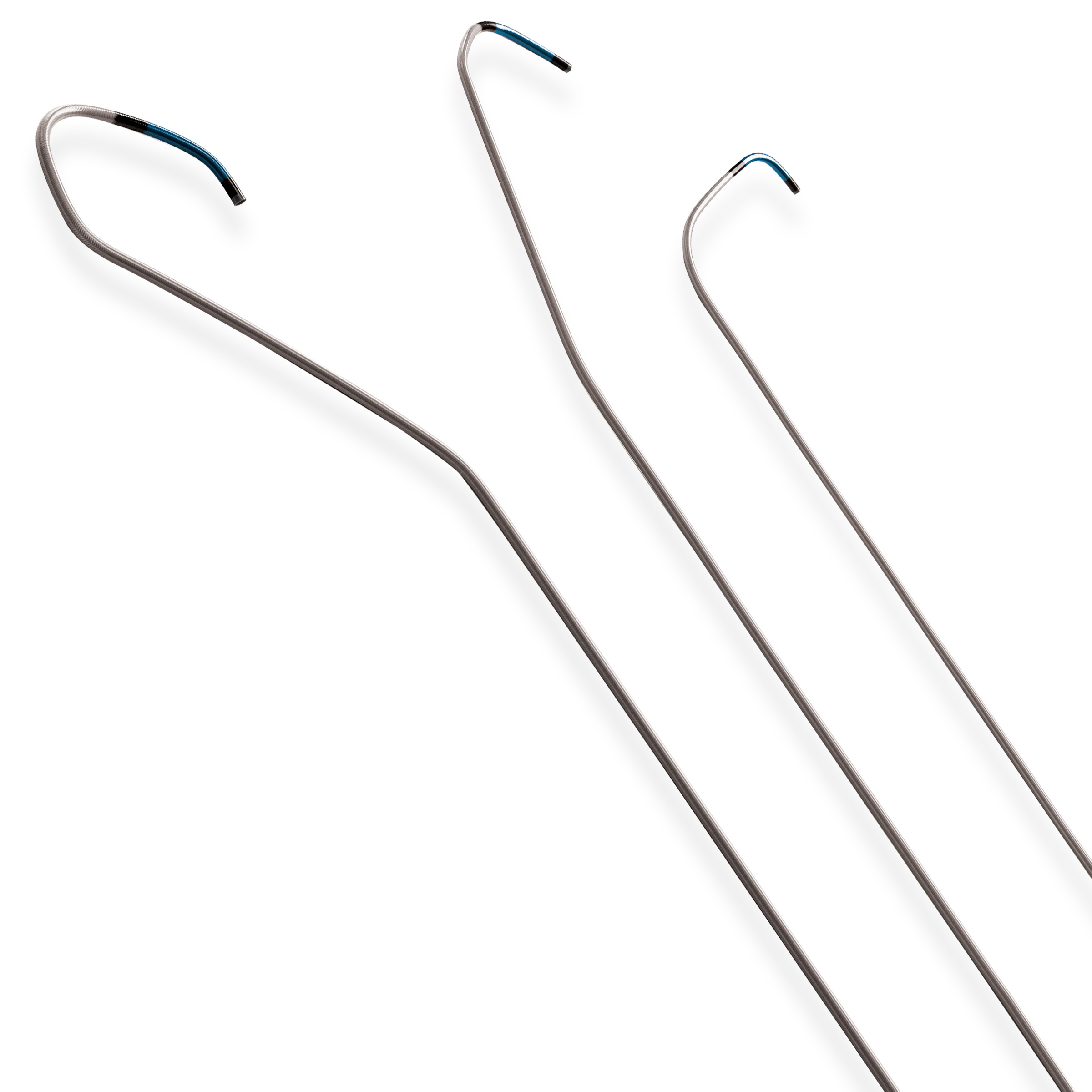
GLIDEWIRE Baby-J® Hydrophilic Coated Guidewire
Combines the leading performance of the GLIDEWIRE® Guidewire product portfolio with design features ideal for transradial access.
GUIDEWIRES
Combines the leading performance of the GLIDEWIRE® Guidewire product portfolio with design features ideal for transradial access.


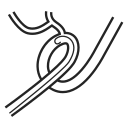
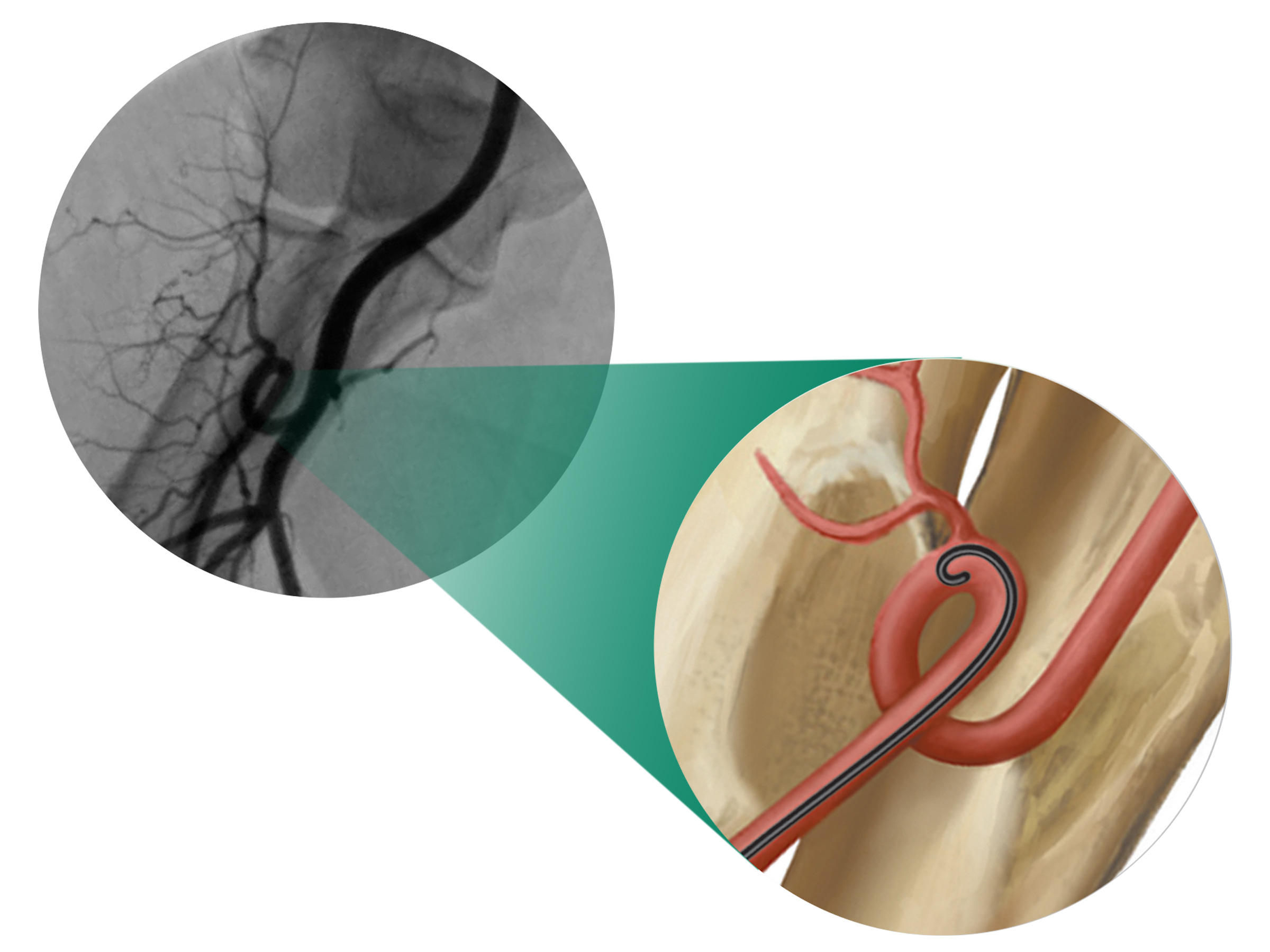
Transradial access offers many advantages over the traditional femoral approach, including the potential for less pain, fewer complications, faster recovery times, and better clinical outcomes.1
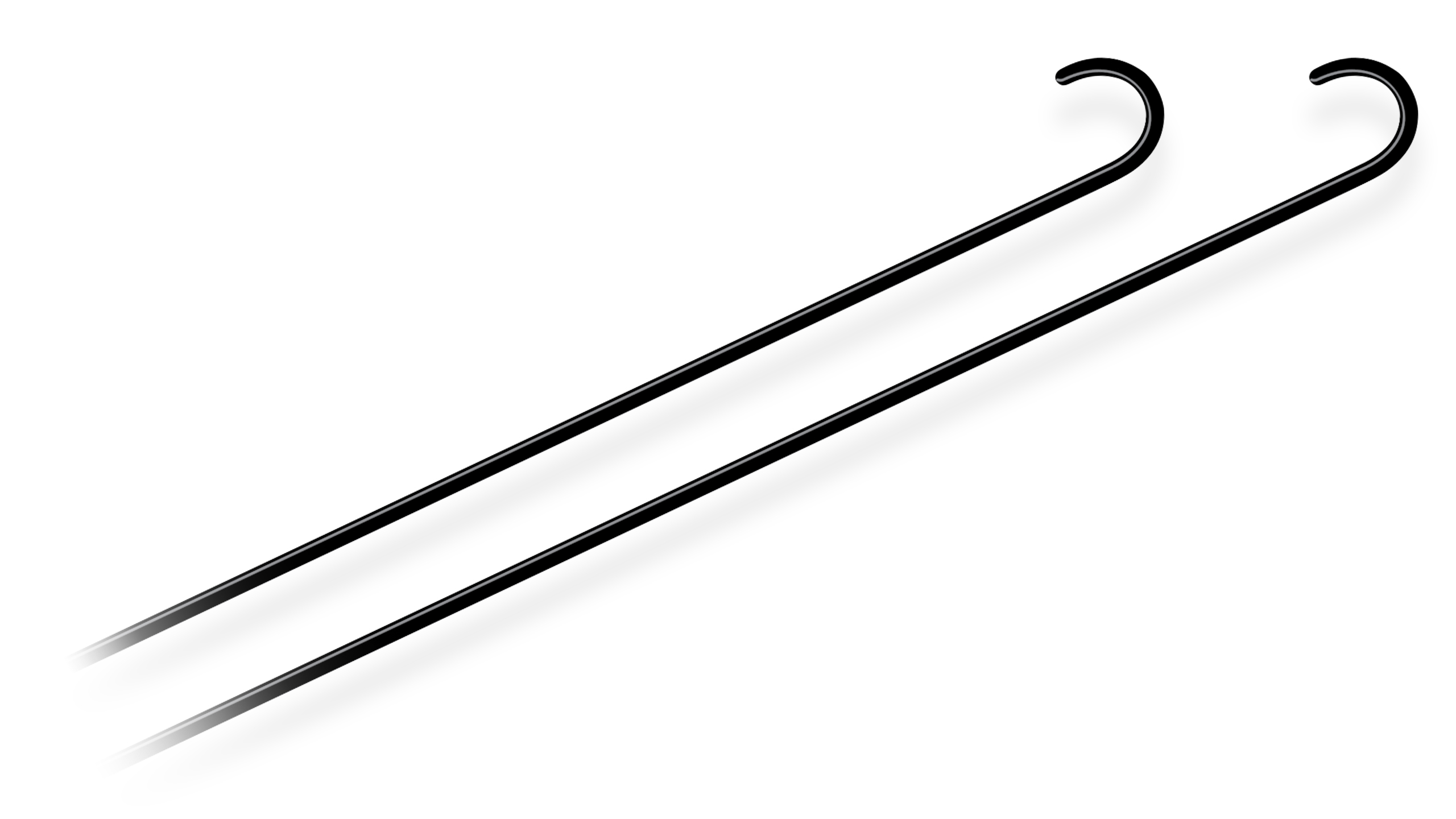
The TERUMO 1.5 mm GLIDEWIRE® Baby-J™ Hydrophilic Coated Guidewire combines the leading performance of the GLIDEWIRE® Guidewire product portfolio with design features ideal for transradial access:
| Product Code | Wire Type | Diameter | Flexible Taper Length | Tip Shape | Total Length |
| GR3525 | Standard | 0.035" | 3 cm | 1.5 mm J-tip | 180 cm |
| GR3526 | 260 cm |
How does a hydrophilic wire enhance catheter navigation?
A hydrophilic wire enhances catheter navigation by significantly reducing friction between the wire and vessel walls. When exposed to fluids, its water-attracting coating becomes slick, allowing the wire to glide smoothly through tortuous or narrowed anatomy. This ease of movement helps clinicians steer catheters more efficiently and safely, especially in complex procedures. It minimizes resistance, lowers the risk of vessel trauma, and improves access to difficult-to-reach areas. The enhanced trackability and reduced force required for advancement make hydrophilic wires ideal for navigating tight lesions or delicate vascular pathways.
RX ONLY. Refer to the product labels and package insert for complete warnings, potential complications, and instructions for use.
*When compared to ZIPwire™, HiWire®, AQUATRACK®, and Laureate®.