ACCESS
GLIDESHEATH® SLENDER Tibial Pedal Kit
ACCESS



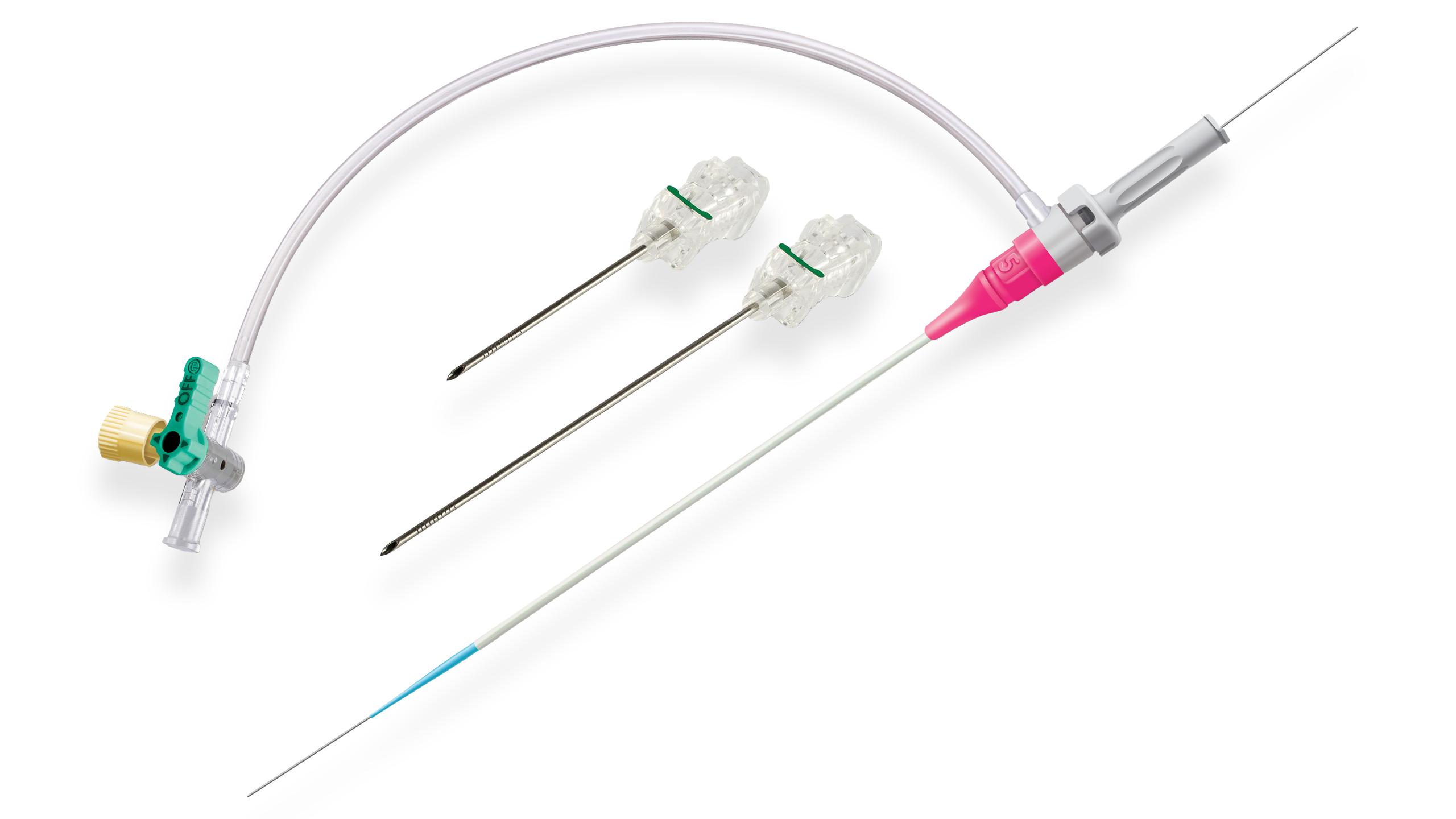
Expand your options for procedural success with the proprietary technology of GLIDESHEATH SLENDER, designed for tibial pedal access.
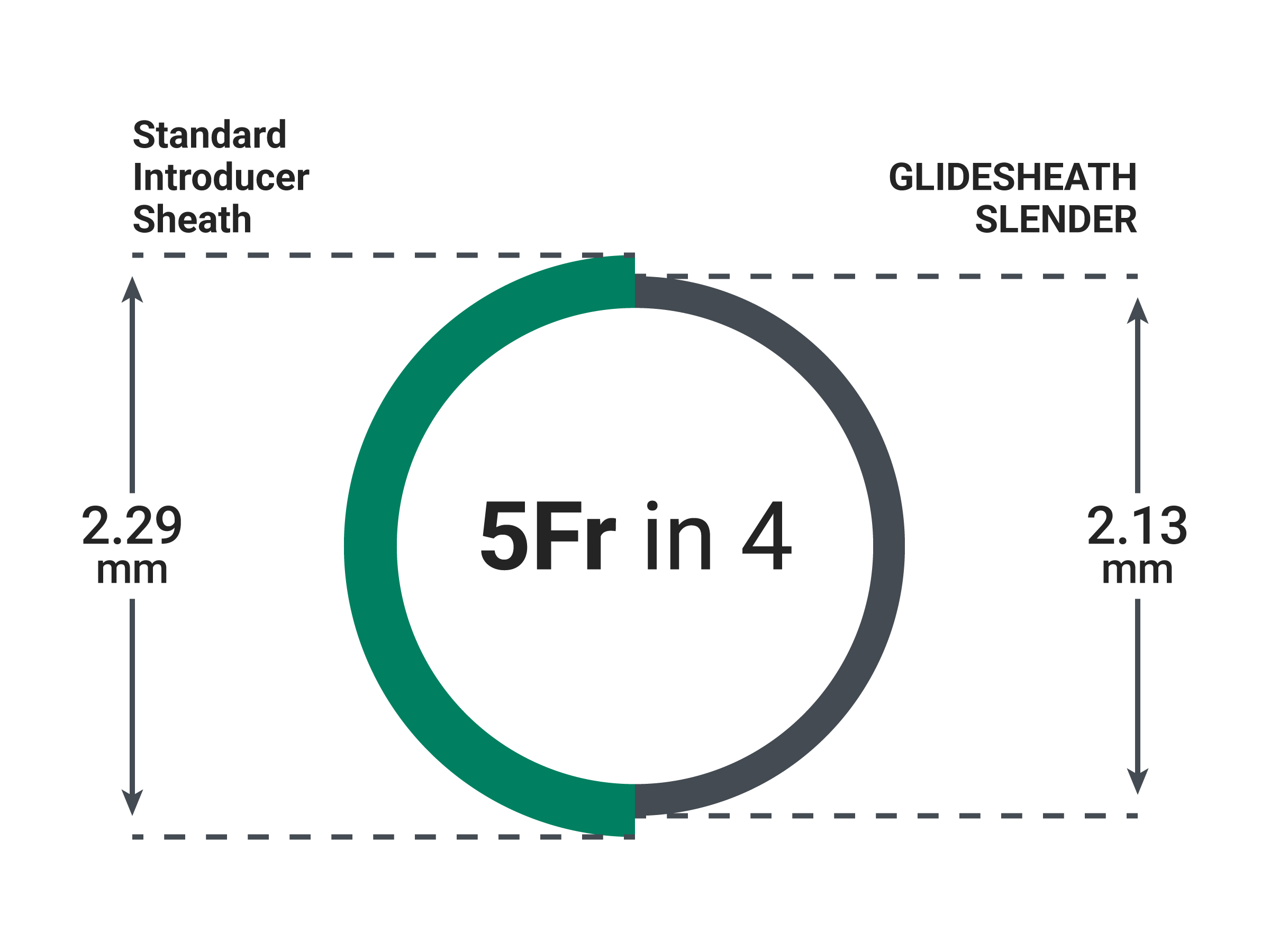
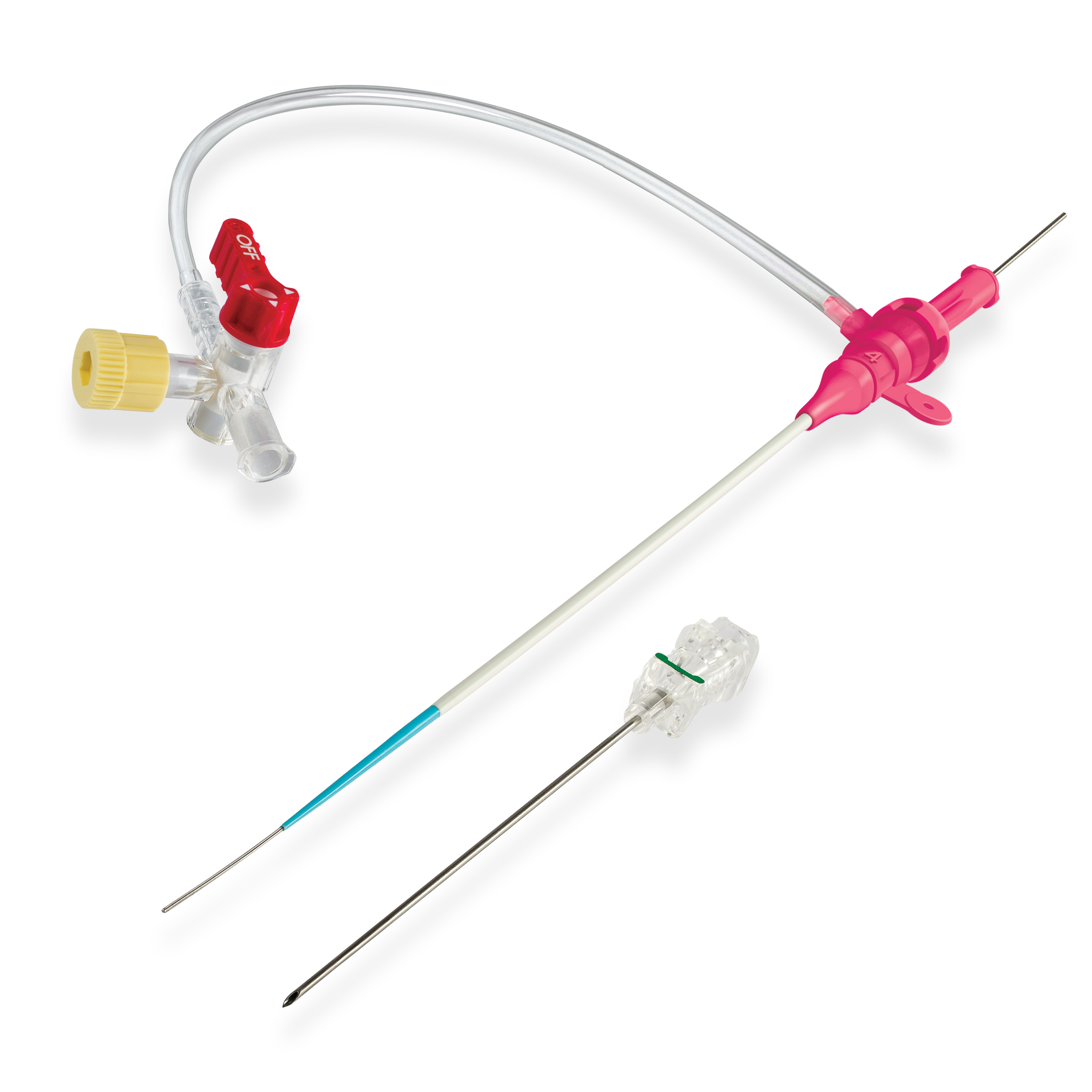
GLIDESHEATH SLENDER pedal access kit offers a thin-wall sheath option for procedures requiring a 5 Fr sheath.1
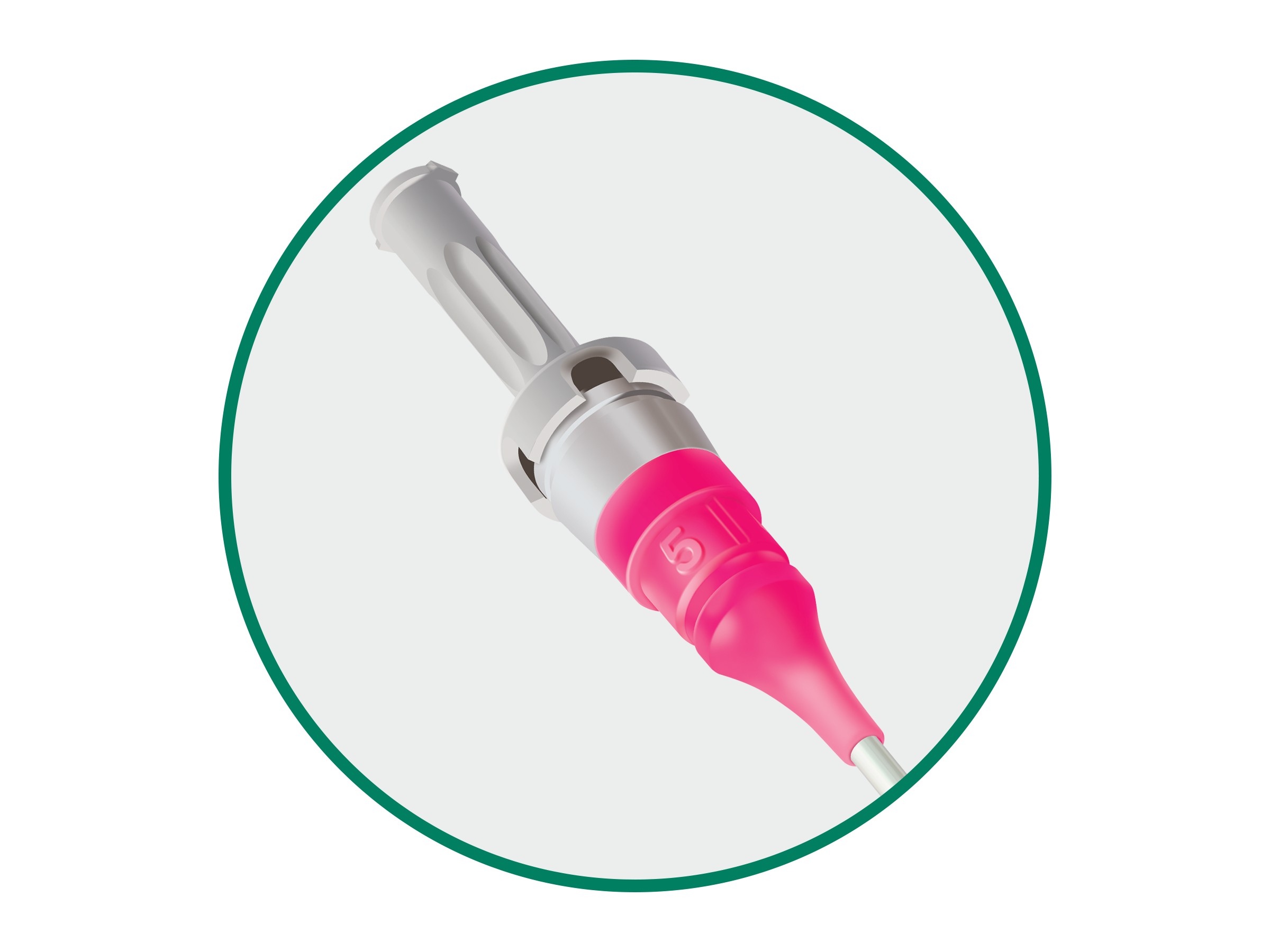
Proprietary thin-wall technology reduces the outside diameter of the introducer sheath by one Fr size while maintaining larger inner-diameter equivalent.
TERUMO Glide Technology™ hydrophilic coating enables easy insertion and removal.1
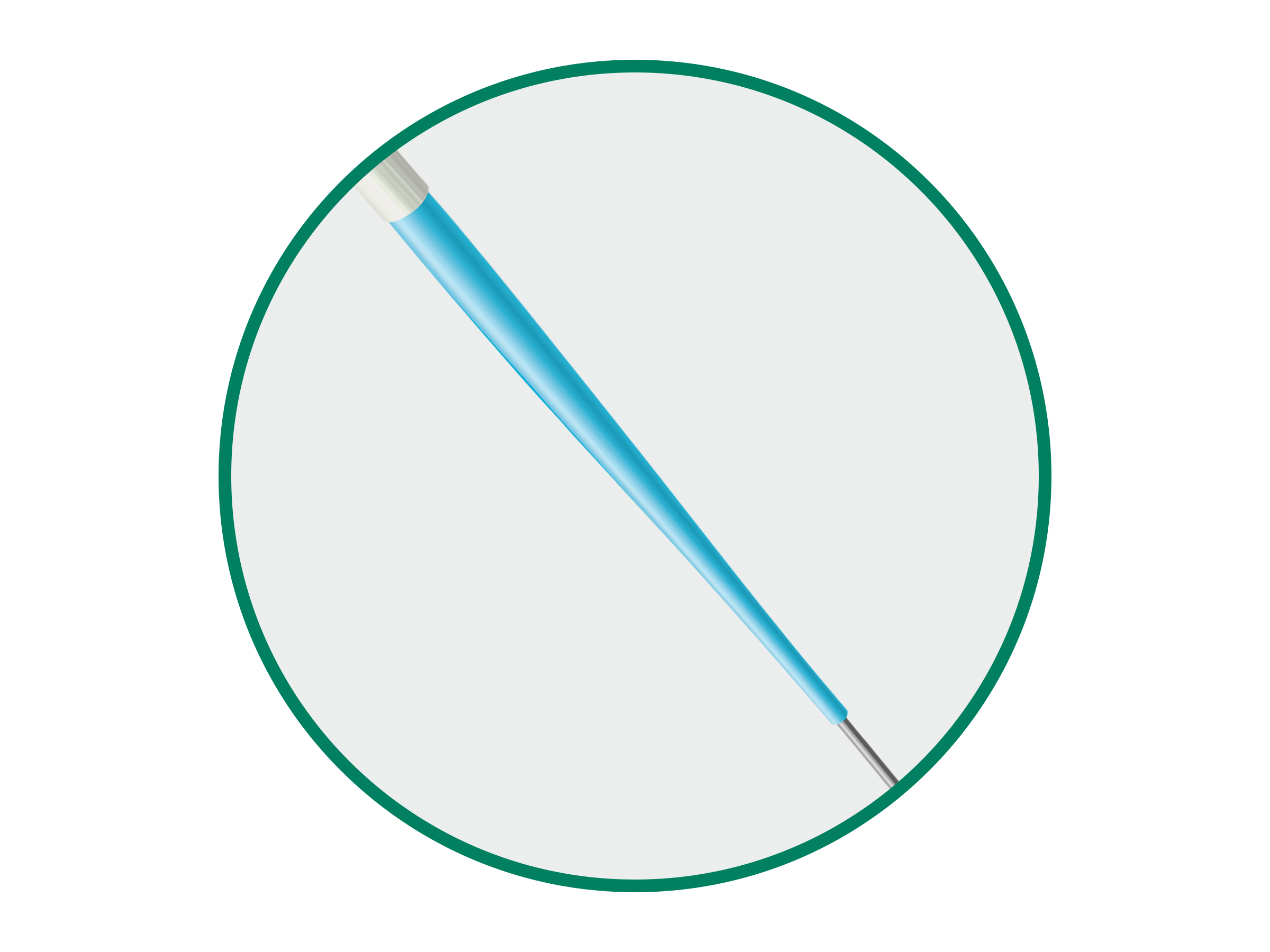
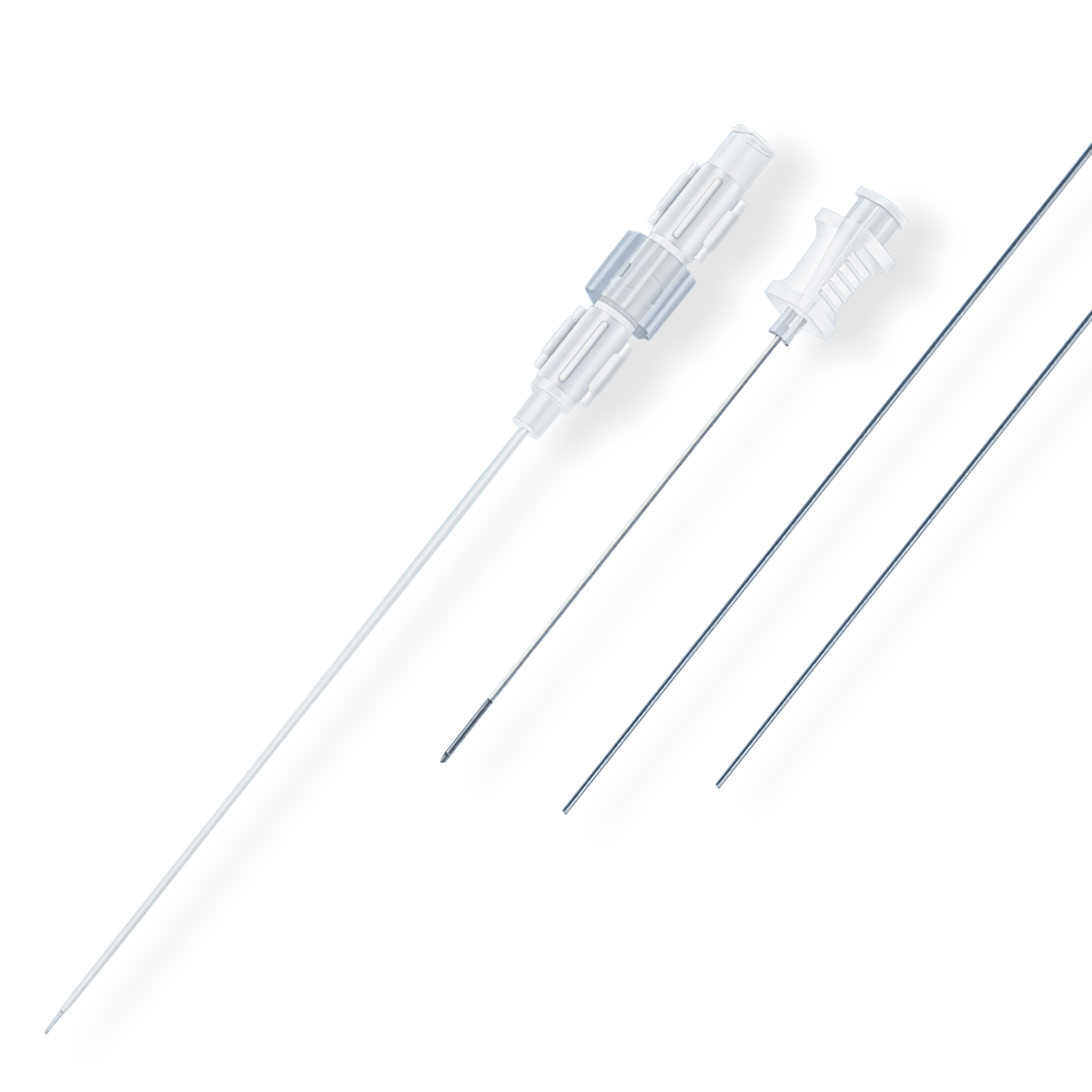
Size: 0.021” | Length: 43 cm
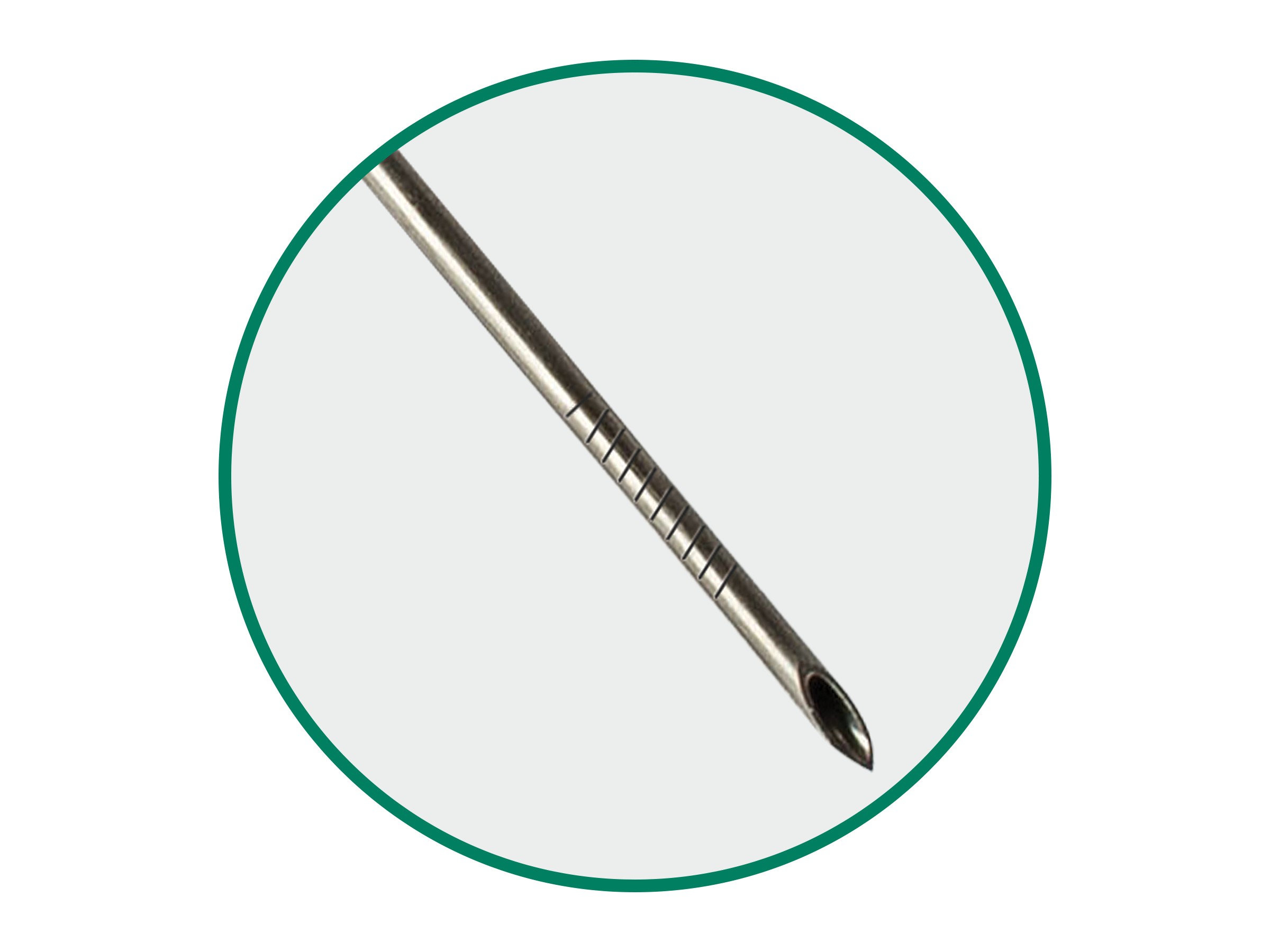
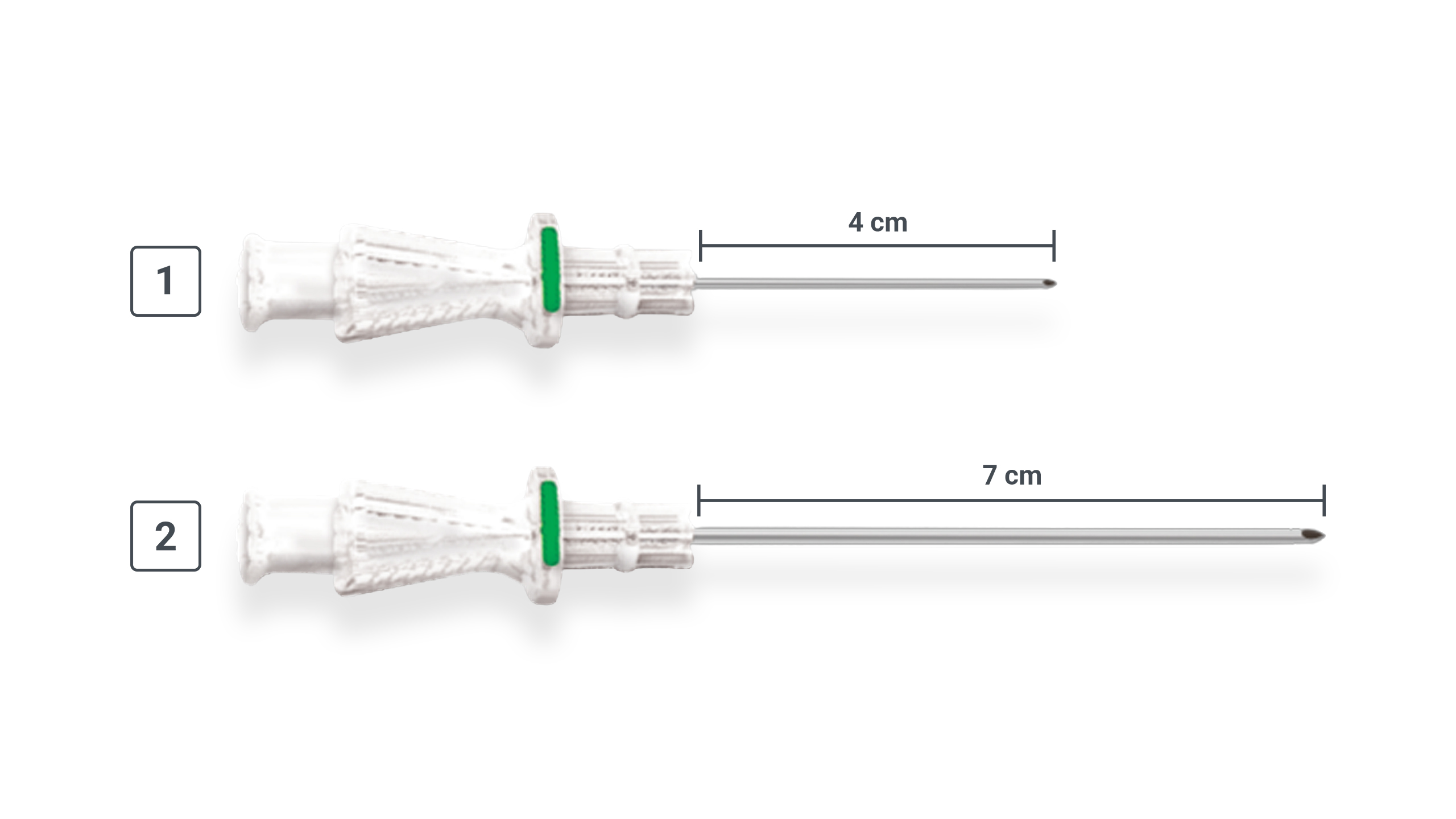
Length: 4 cm and 7 cm
Note: Needle diagram not to scale.
| CODE | SHEATH | DILATOR | MINI-GUIDEWIRE | NEEDLE | NEEDLE LENGTH |
| 52-1050 | 5 Fr 10 cm | 0.021" | Nitinol/Floppy 0.021" x 43 cm |
21G-19G (Tapered) Echogenic |
4 cm (40 mm) |
| 51-1050 | 5 Fr 10 cm | 0.021" | Nitinol/Floppy 0.021" x 43 cm |
21G-19G (Tapered) Echogenic |
7 cm (70 mm) |
*5 per Shelf Box | Sheath Length: 10 cm | Wire Length: 43 cm | 4 cm or 7 cm Needle
What French sheath sizes are appropriate for tibial-pedal access in endovascular procedures, and how do pedal access kits impact outcomes?
Tibial-pedal access is critical in endovascular treatment of critical limb-threatening ischemia (CLTI), particularly when antegrade femoral access is limited. Given the small caliber of distal arteries (2–3 mm), 4 Fr and 5 Fr sheaths are most commonly used. 4 Fr sheaths are generally preferred due to their low outer diameter (~1.33 mm), which reduces the risk of arterial injury, spasm, and occlusion.1
Dedicated pedal access kits are designed to minimize trauma and improve procedural safety. Clinical studies, including the LIFE-BTK trial, support the use of low-profile access systems to improve technical success and reduce site-related complications.2
RX ONLY. Refer to the product labels and package insert for complete warnings, precautions, potential complications, and instructions for use.