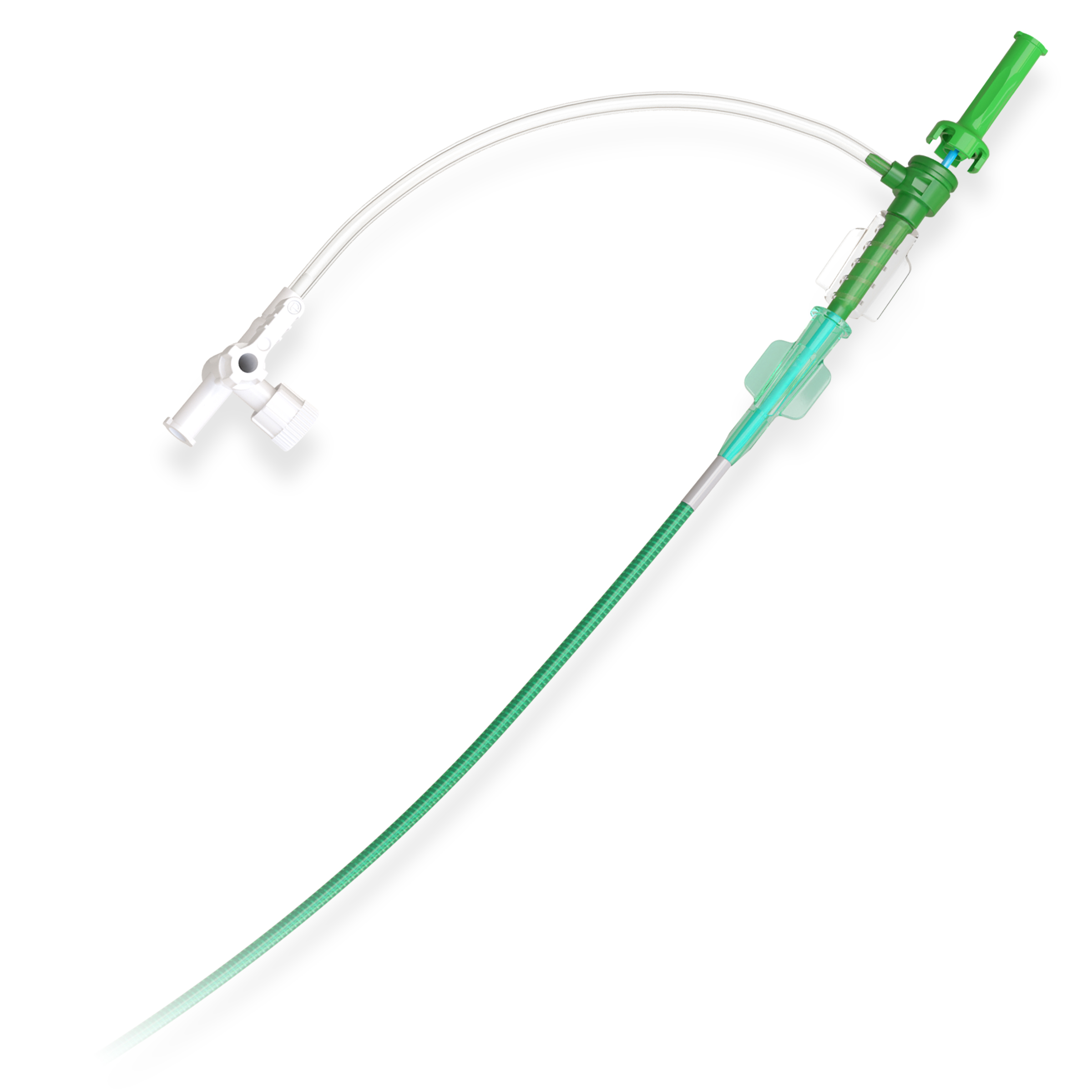
STENTS
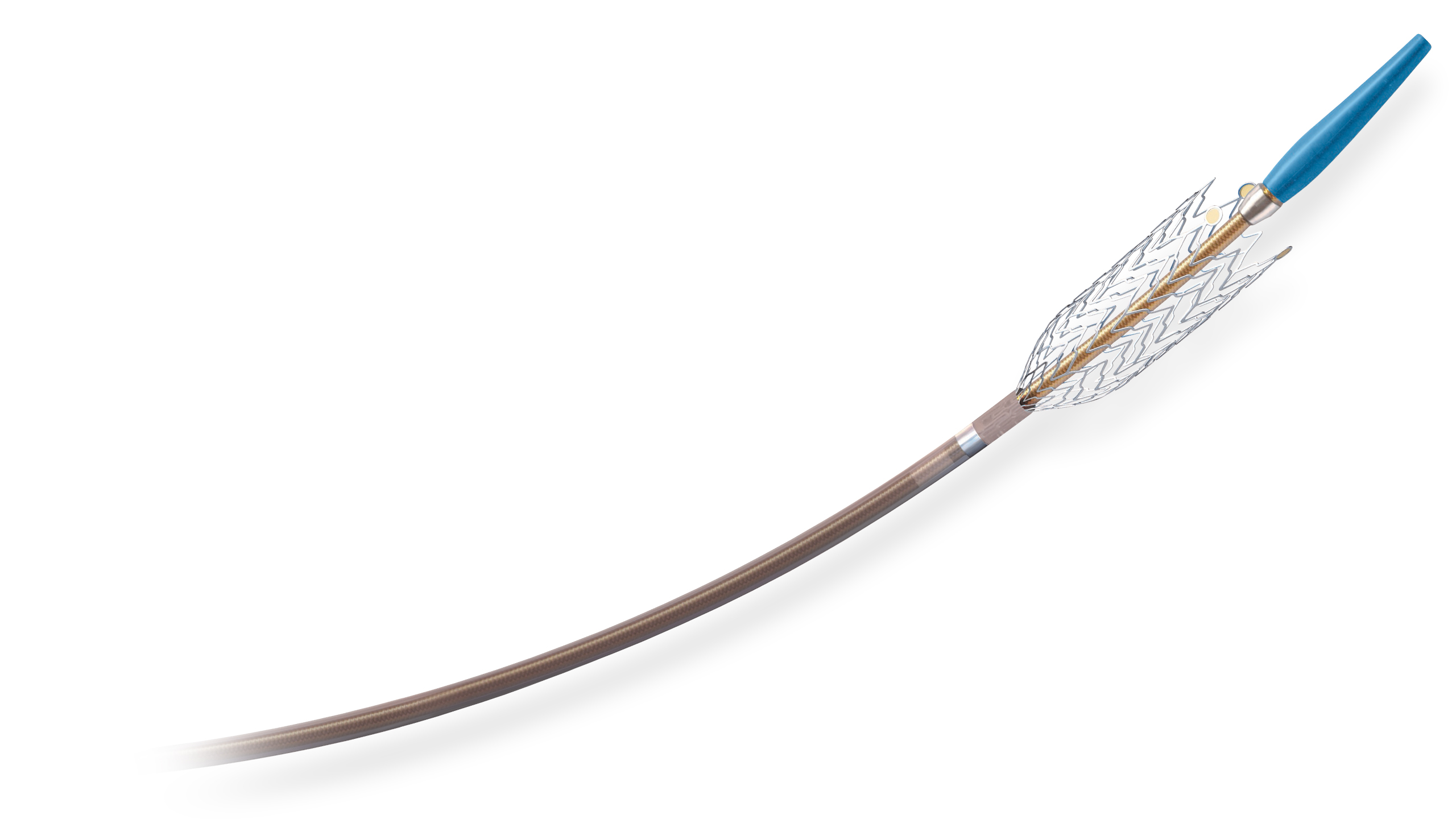
R2P® MISAGO® RX Self-Expanding Peripheral Stent
Confidently intervene from a radial approach with this peripheral vascular stent.
Available on a 200 cm shaft length.
STENTS
Confidently intervene from a radial approach with this peripheral vascular stent.
Available on a 200 cm shaft length.



* These results are based on clinical data using femoral artery access and are not based on data specifically related to transradial access.
After one year in the OSPREY clinical trial:1
Freedom from target lesion revascularization
Measured using Kaplan Meier Analysis1
Sustained patency
Measured using Kaplan Meier analysis
(PSVR of ≤ 2.4)1
Freedom from stent fracture
Per stent post procedure1
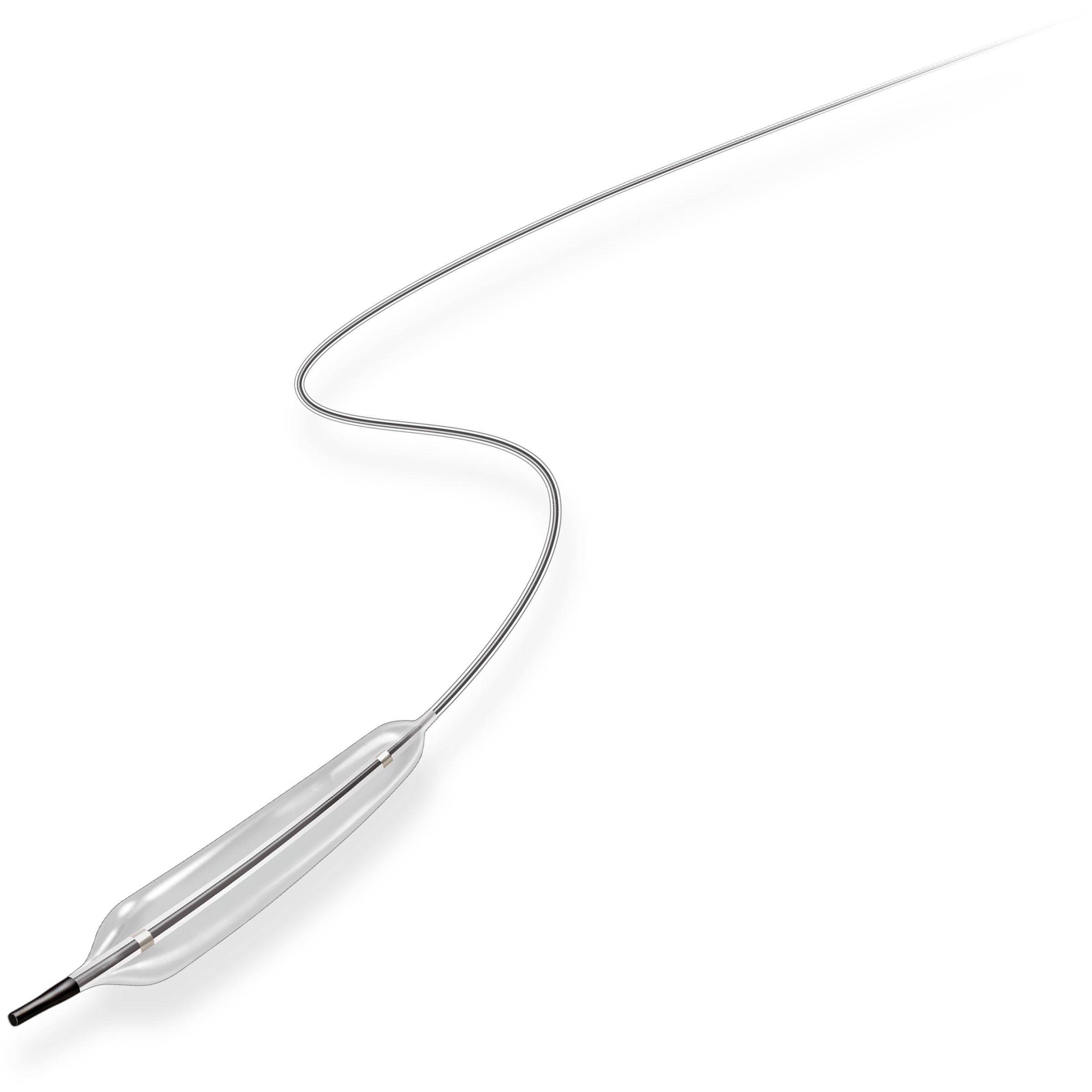
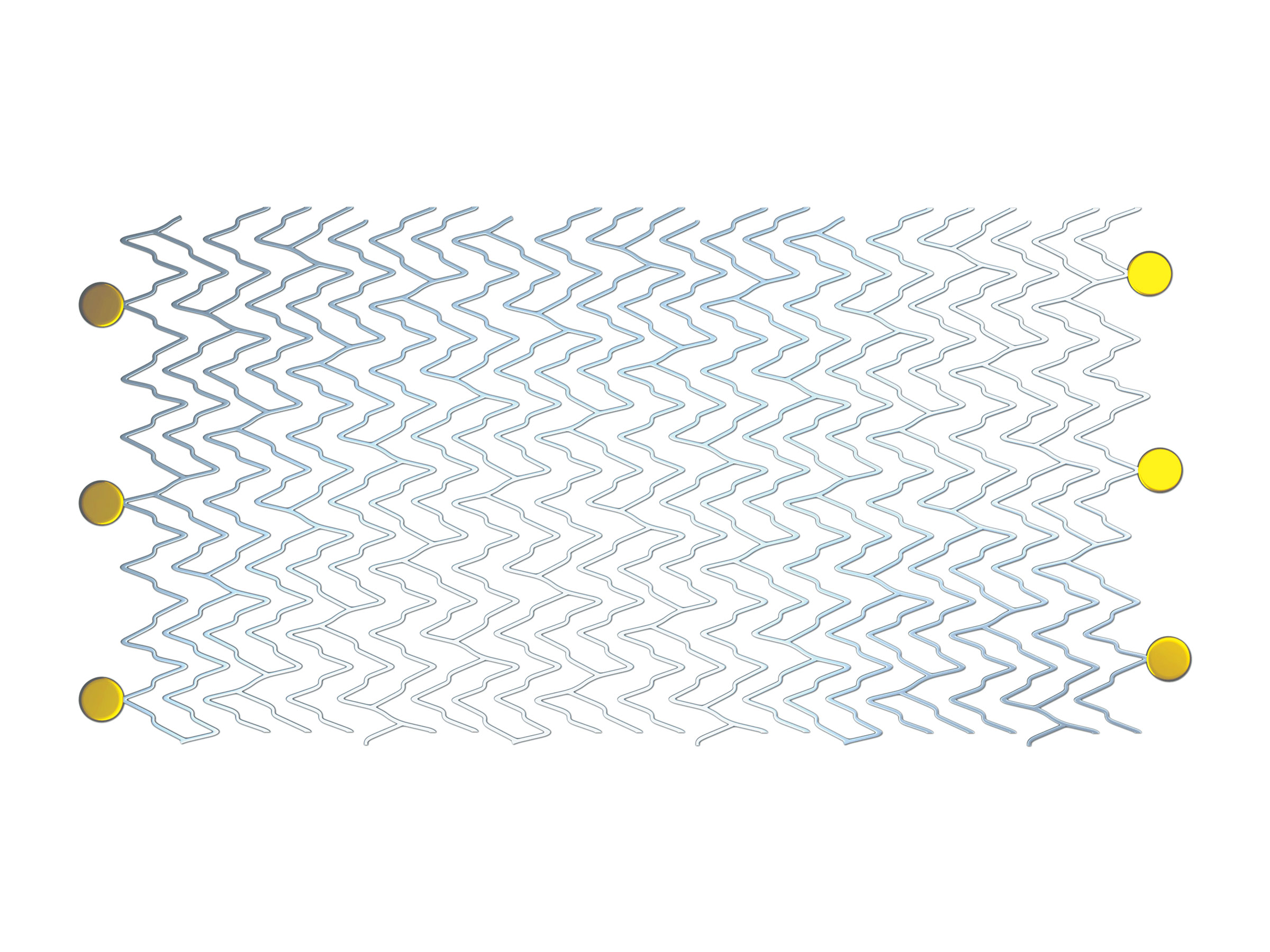
The continuous spine-free stent is designed to promote optimal blood flow and eliminate high-strain stress zones that can lead to fracture.4
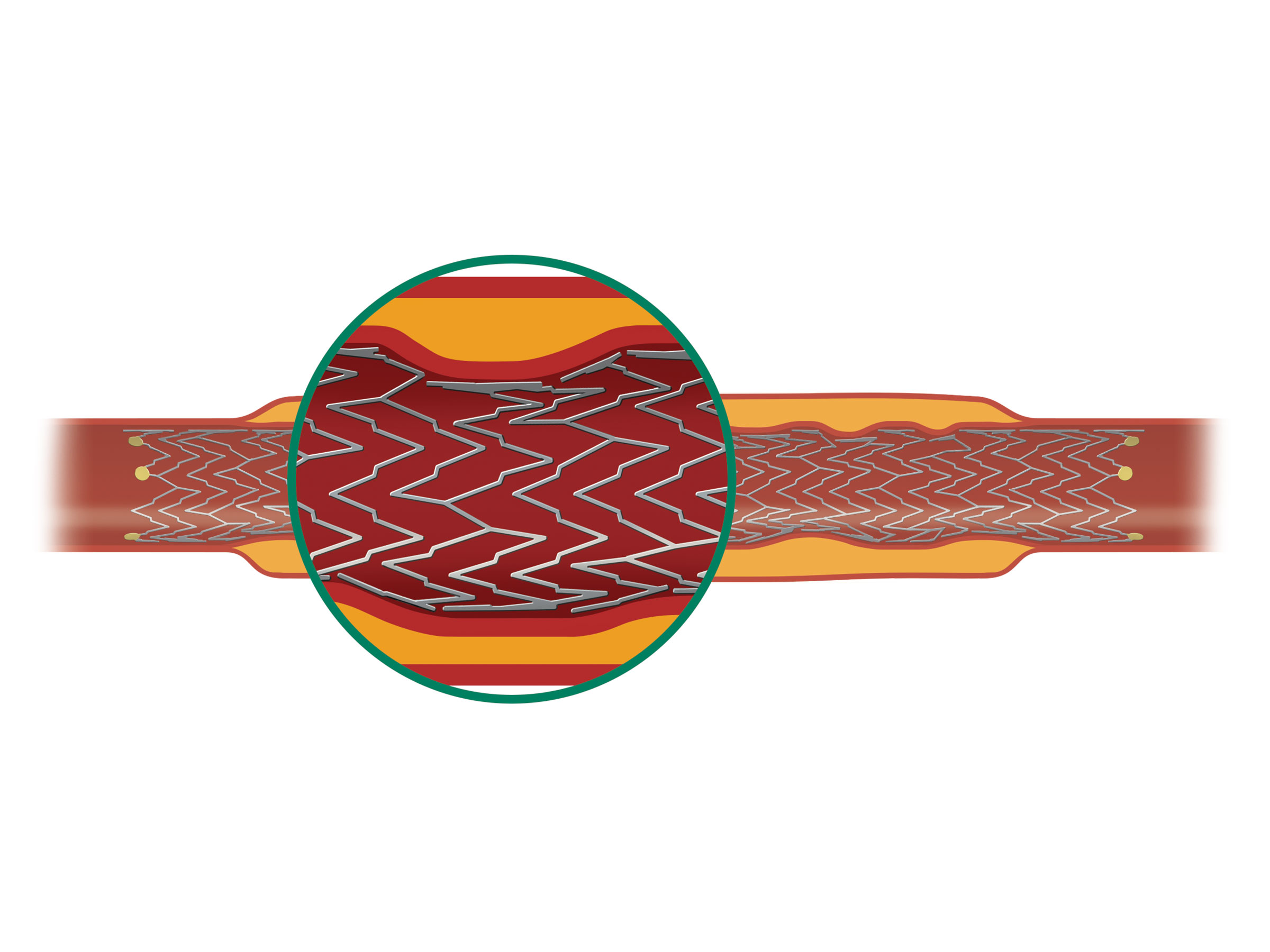
Combined high-crush resistance and moderate radial force helps to maintain vessel patency along the full length of the lesion.4-5
No stent fractures recorded during:
90% Torsion Test
Simulated rotation between supine and fetal position.1
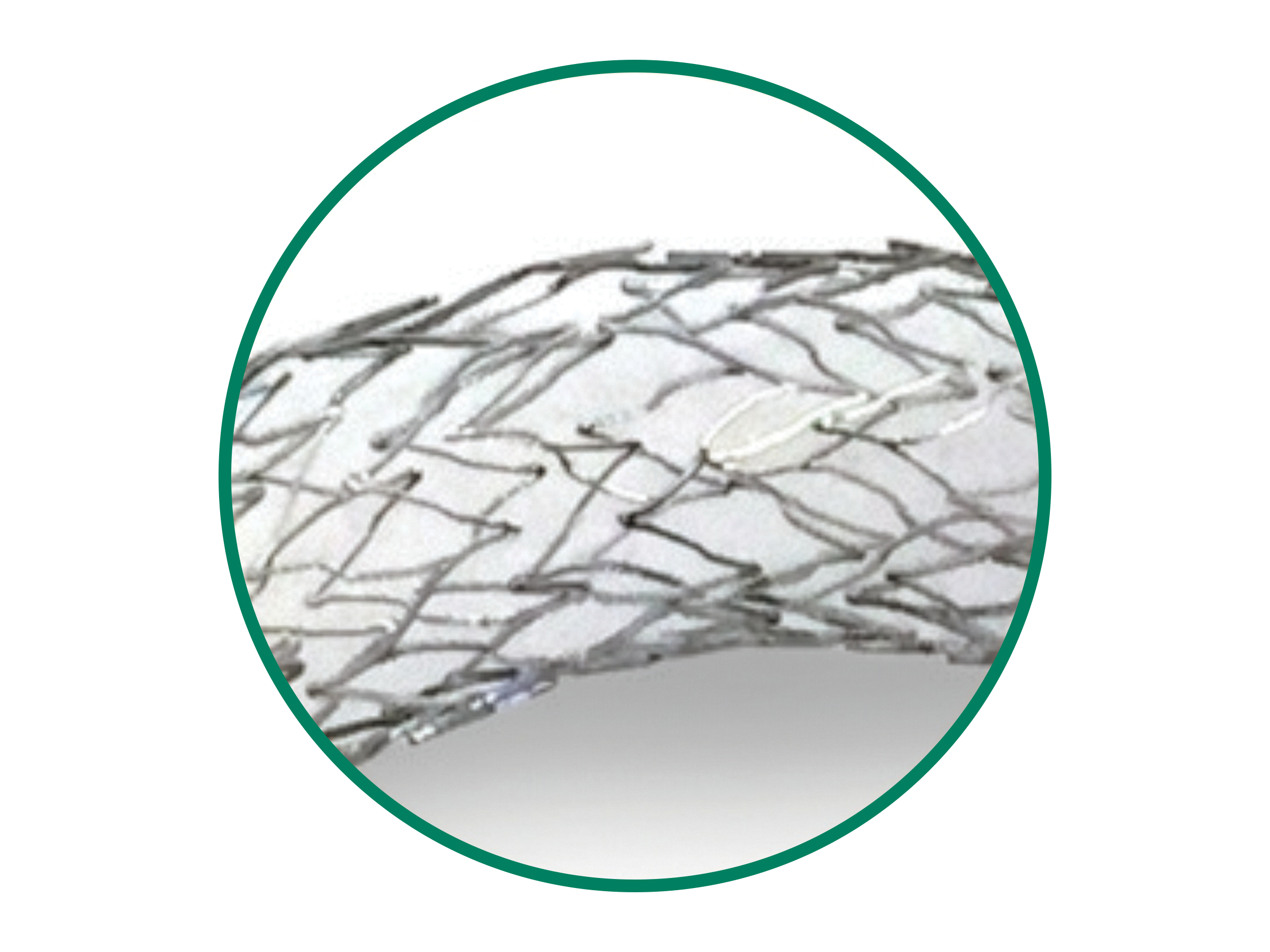
40% Compression Test
Simulated response during thigh
compression1
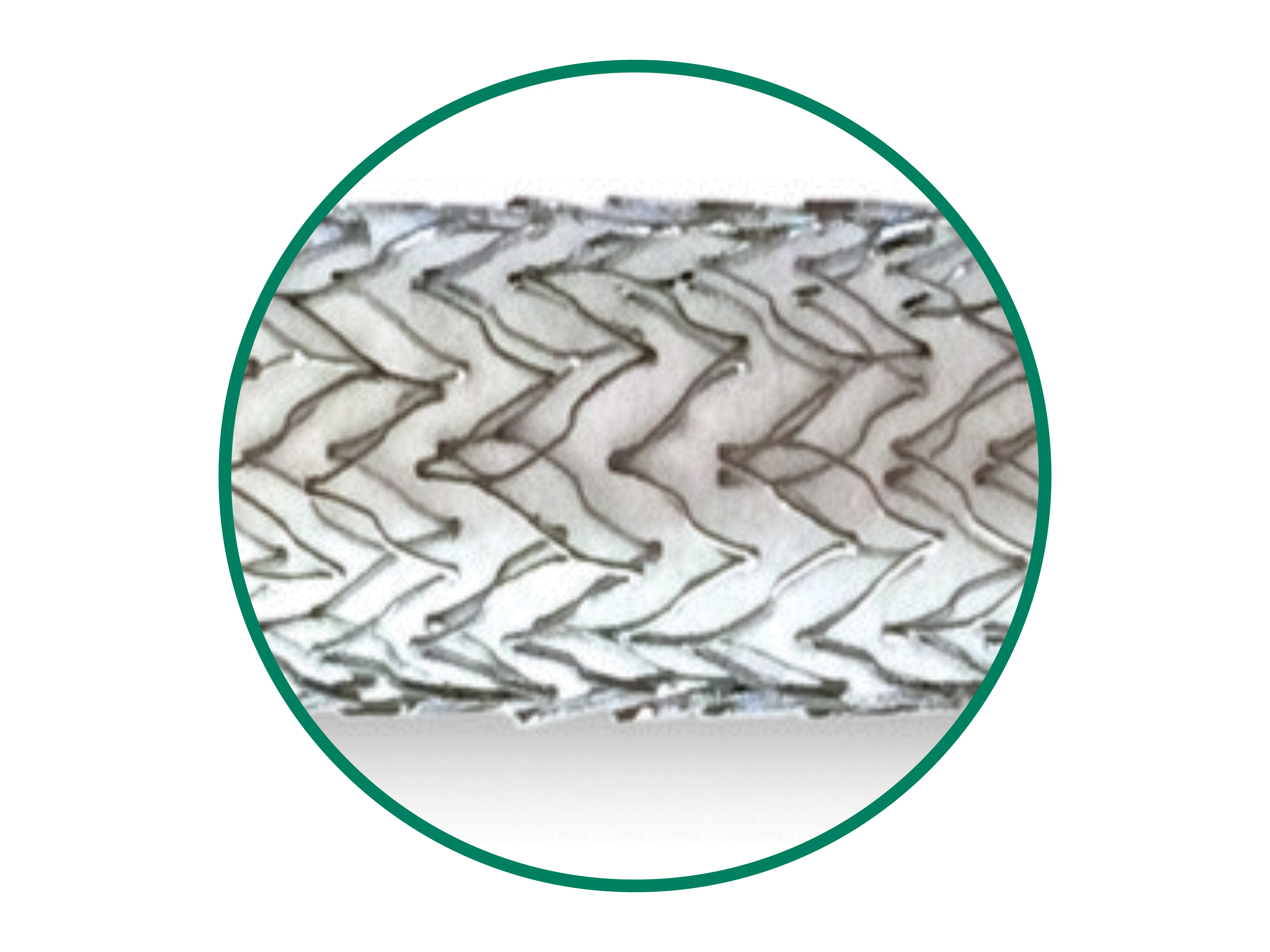
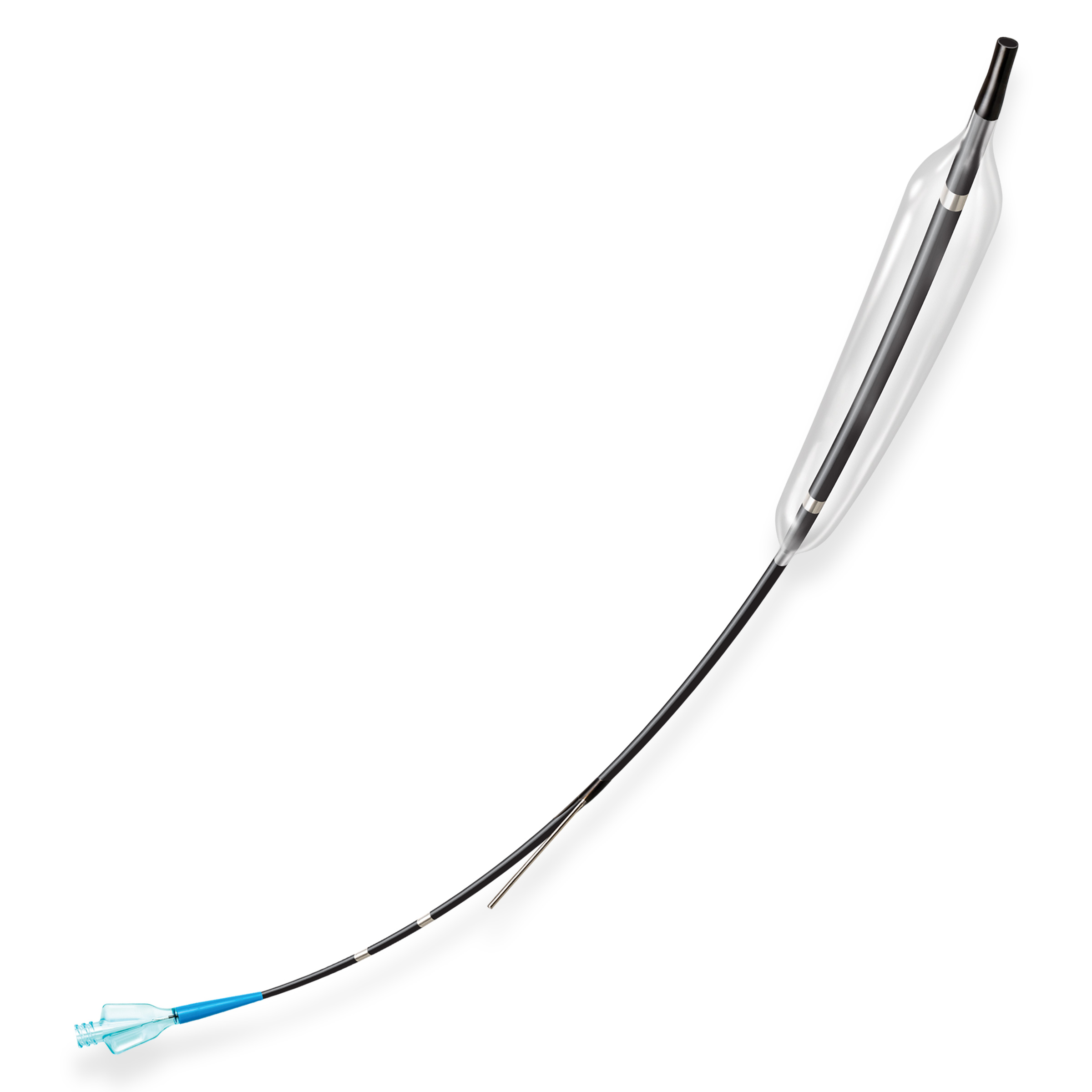
Minimizes jumping, recoil, or foreshortening - with a simplified thumbwheel system that allows for single operator deployment.1
Enables exact stent placement - with the pushability of a triaxial catheter design.1
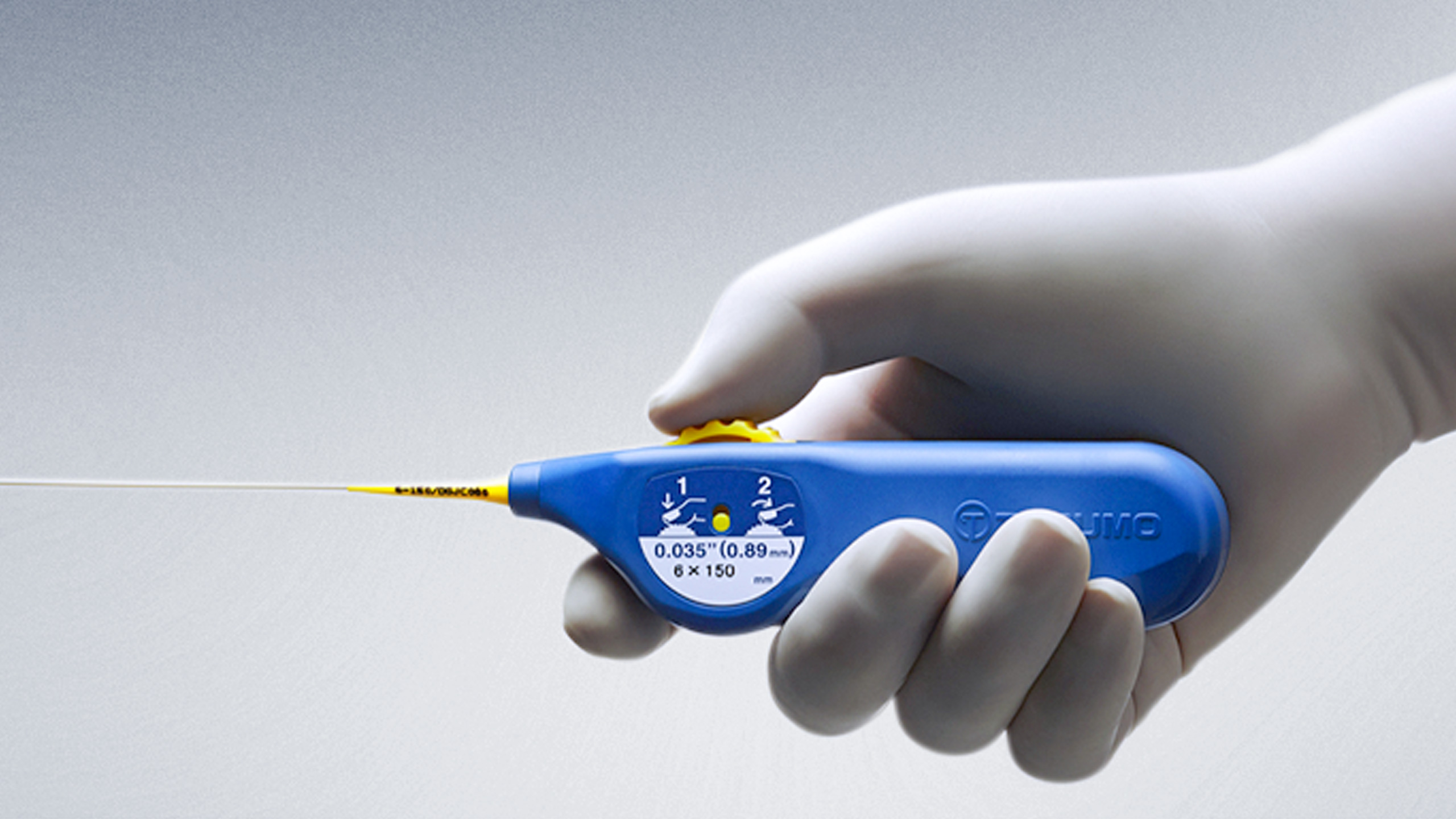

R2P® is the first and only portfolio of longer-length radial devices specifically designed for peripheral procedures, including above-the-knee PAD/CLI vascular interventions.
| Product Code | Description |
| SXR06040R | 200cm, 6Fr, 6mm x 40mm |
| SXR06060R | 200cm, 6Fr, 6mm x 60mm |
| SXR06080R | 200cm, 6Fr, 6mm x 80mm |
| SXR06100R | 200cm, 6Fr, 6mm x 100mm |
| SXR06120R | 200cm, 6Fr, 6mm x 120mm |
| SXR06150R | 200cm, 6Fr, 6mm x 150mm |
| SXR07040R | 200cm, 6Fr, 7mm x 40mm |
| SXR07060R | 200cm, 6Fr, 7mm x 60mm |
| SXR07080R | 200cm, 6Fr, 7mm x 80mm |
| SXR07100R | 200cm, 6Fr, 7mm x 100mm |
| SXR07120R | 200cm, 6Fr, 7mm x 120mm |
| SXR07150R | 200cm, 6Fr, 7mm x 150mm |
| SXR08040R | 200cm, 6Fr, 8mm x 40mm |
| SXR08060R | 200cm, 6Fr, 8mm x 60mm |
| SXR08080R | 200cm, 6Fr, 8mm x 80mm |
| SXR08100R | 200cm, 6Fr, 8mm x 100mm |
RX ONLY. Refer to the product labels and package insert for complete warnings, precautions, potential complications, and instructions for use.
*These results are based on clinical data using femoral artery access and are not based on data specifically related to transradial access.
1. MISAGO® RX Self-expanding Peripheral Stent [Instructions for Use.] Tokyo, Japan: Terumo Corporation; 2020-02.
2. Schulte Karl-Ludwig et al. MISAGO 1: first-in-man clinical trial with Misago™ nitinol stent. EuroIntervention 2010;5:687-691
3. Schulte, K, et al. MISAGO 2: One Year Outcomes After Implantation of the MISAGO® Self Expanding Nitinol Stent in the Superficial Femoral and Popliteal Arteries of 744 Patients. J ENDOVASC THER. 2012; 19-774-788
4. Müller-Hülsbeck S, Schäfer PJ, Charalambous N, et al. Comparison of Second-Generation Stents for Application in the Superficial Femoral Artery: An In Vitro Evaluation Focusing on Stent Design. J Endovasc Ther. 2010;17(6):767-776.
5. Deloose K, et. al. TVR Reduction in the SFA. EVTODAY. 2014;10:44-47.
6. Smouse, R. Achieving Long Term SFA Treatment Success: Stent Design or Patient Selection. International Symposium on Endovascular Intervention.
Indications
The R2P® MISAGO® RX Self-expanding Peripheral Stent is indicated to improve luminal diameter in symptomatic patients with de novo or restenotic native lesions or occlusions of the Superficial Femoral Artery (SFA) and/or proximal popliteal artery with reference vessel diameters ranging from 4 mm to 7 mm and lesion length up to 150 mm.
Important Safety Information
Do not use this device in patients who exhibit angiographic evidence of severe thrombus in the target vessel or lesion site before/after undergoing Percutaneous Transluminal Angioplasty (PTA) procedure, patients with contraindication to antiplatelet and/or anticoagulation therapy, patients who are judged to have a lesion that prevents proper placement or deployment of the stent, a lesion that is within an aneurysm or an aneurysm with a proximal or distal segment to the lesion, or a lesion through which a guidewire cannot pass. This device should only be used by a physician who is familiar with, and well trained in, Percutaneous Transluminal Angioplasty (PTA) techniques, stent implantation, and transradial access.